IT Asset Disposal: An Exhaustive Guide to Safe and Secure ITAD
IT Asset Disposal: An Exhaustive Guide to Safe and Secure ITAD
Jul 10, 2025
Discover how to safely dispose of old laptops, servers & devices. Learn why ITAD matters for security, compliance & sustainability with Recykal's expert guide.
Discover how to safely dispose of old laptops, servers & devices. Learn why ITAD matters for security, compliance & sustainability with Recykal's expert guide.
What happens to your old laptops, servers, and smartphones when they end their useful life? Do they end up in a forgotten drawer, a storeroom, or worse? A landfill.
With rapid tech upgrades and digital transformation, it’s easy to overlook what happens after we stop using our devices. However, improperly discarded IT assets can become serious environmental hazards and data security threats.
This is where IT Asset Disposition or ITAD comes into play – a structured, secure, and sustainable approach to retiring old tech.
In this guide, we’ll explain everything you need to know about IT asset disposal, why it matters, and how to do it responsibly, efficiently, and legally, with a little help from Recykal.
What is IT Asset Disposition?
Let’s start from the ground up.
Every technology we use, be it a laptop, desktop, server, smartphone, printer, or router, has a life cycle. Eventually, these devices become outdated, underperforming, or no longer needed due to upgrades or changes in business operations. But what happens when that day comes? That’s where IT Asset Disposition, or ITAD, comes into the picture.
ITAD is the structured, secure, and environmentally responsible process of handling retired IT equipment. It goes far beyond just “throwing away old electronics.” Improper disposal can expose your organization to serious risks, from data breaches to regulatory fines and reputational damage.
Think of ITAD as the final chapter in your IT asset’s journey, but one that must be handled with as much care and strategy as when the device was first deployed. It’s about giving your old equipment a second life while safeguarding your business and doing right by the planet.
Here’s what makes ITAD so important:
It protects your sensitive data.
Even after a device is turned off, its hard drives or memory can still hold confidential business data, customer information, or proprietary insights. ITAD ensures that this data is completely and irreversibly destroyed using certified methods like wiping, degaussing, or physical shredding.
It helps you stay compliant with laws and regulations.
Today’s businesses operate in a world of strict data privacy rules. From GDPR in Europe to HIPAA in the U.S., India’s IT Act, and e-waste management rules, multiple regulations govern how companies must dispose of data and electronic equipment. A solid ITAD process helps you meet these requirements, avoiding fines and legal issues.
It recovers value from retired assets.
Just because a device is no longer helpful to you doesn’t mean it has no value. Many IT assets can be refurbished, repurposed, or sold in secondary markets. ITAD includes assessing each item’s resale potential, helping your business recover a portion of your investment while extending the asset’s lifespan.
It reduces your environmental footprint.
E-waste is a global crisis, with millions of tons of electronics ending up in landfills yearly, leaking toxic materials into our soil and water. ITAD promotes responsible recycling; ensuring that reusable parts are salvaged, harmful components are safely handled, and precious resources like gold, copper, and rare earth metals are recovered and reused.
In other words, ITAD transforms the end of an asset’s life into an opportunity; an opportunity to protect your organization, support your sustainability goals, and even generate some financial return. Whether you’re wiping sensitive data from a hard drive, refurbishing a batch of laptops for resale, or breaking down a server for parts, the right ITAD process ensures that each step is handled professionally and responsibly.
Why IT Asset Disposal Matters
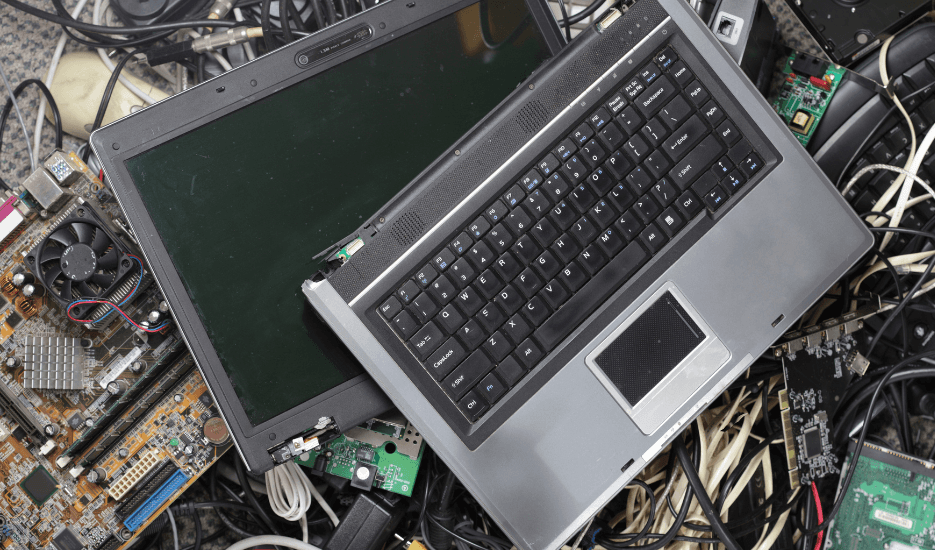
As reported by the UN Global E-waste Monitor 2020, the world generated 53.6 million metric tonnes of electronic waste in 2019, a staggering 21% increase over just five years. That leaves 44 million tons of electronic waste potentially leaking toxins into the environment or exposing sensitive data.
Here’s why responsible IT asset disposal is more important than ever:
Data Security Risks
Old devices carry sensitive information like customer data, business IP, and financial records. Improper disposal could lead to data breaches and identity theft, putting your business reputation and finances on the line.
Regulatory Compliance
With stringent laws like GDPR, HIPAA, and other local data protection regulations, businesses must ensure secure data erasure. Violations can lead to heavy fines; GDPR violations alone have resulted in penalties exceeding 4 billion.
Environmental Impact
E-waste contains hazardous materials like lead, mercury, and cadmium. If mishandled, these pollutants can contaminate air, water, and land. ITAD promotes sound recycling and reuse, lowering your business’s carbon footprint and upholding sustainability.
Cost Recovery and Efficiency
Do you think all old tech is worthless? Think again. Companies can recover substantial value from outdated equipment through resale, donation, or refurbishment, helping to pay for new hardware or IT upgrades.
Key Stages of the ITAD Process
ITAD is not a one-step job. It’s a multi-stage process involving several key actions to ensure a secure and sustainable outcome.
Asset Identification and Audit
The first step is knowing what you have. Carry out a thorough inventory audit of all IT assets being disposed of. This comprises hardware location, serial number, configuration, and data status.
Next-generation asset management platforms such as Recykal’s digital waste management solution can easily track and tag assets with QR codes or RFID for real-time updates.
Data Erasure and Destruction
Before any equipment leaves your premises, all data must be securely wiped. This can be done through:
Overwriting (replacing existing data)
Degaussing (magnetic field destruction)
Physical destruction (shredding or crushing drives)
Certified tools and methods ensure that no data is recoverable, protecting your business and clients.
Value Recovery
Not all tech needs to be scrapped. ITAD includes assessing each device for potential resale, donation, or refurbishment. Working devices can be cleaned, tested, and resold, either internally or via partners.
This stage supports the circular economy and recovers part of your initial investment.
Eco-Friendly Recycling
If assets are too old or damaged, they must be dismantled and recycled in compliance with e-waste regulations. Eco-responsible recyclers remove reusable parts and properly dispose of e-waste.
Recykal collaborates with licensed e-waste recyclers, maintaining complete traceability and environmentally friendly disposal.
Documentation and Reporting
Complete records are essential. Businesses must maintain:
Certificates of Data Destruction
Environmental compliance documentation
Chain-of-custody records
Audit-ready reports
This documentation supports regulatory audits and gives peace of mind that assets were handled responsibly.
6 Pillars of a Responsible ITAD Program
If you’re planning to build or refine your IT asset disposal strategy, focus on these six core pillars:
Data Security
Use certified data erasure tools and ensure physical destruction of drives when necessary. Verify that your service provider complies with international data security standards, such as ISO 27001.
Regulatory Compliance
Understand and comply with data protection laws, local e-waste management rules, and ITAD industry standards (like R2 or e-Stewards). Work only with certified vendors who can provide the necessary audit trails.
Environmental Responsibility
Ensure your ITAD practices support sustainability. That includes making environmentally friendly recycling choices, avoiding landfills, and reducing carbon emissions. Recykal assists organizations in counterbalancing their footprint by encouraging circular material loops.
Asset Tracking
Monitor all devices from decommissioning until they are finally disposed of. Utilize digital tracking software and dashboards to keep a view and control of your asset disposition pipeline.
Value Recovery
Don’t just dispose, evaluate. Devices that can be refurbished, resold, or donated should be used to recover operational costs and extend product lifecycles.
Trusted Partners
Partner with licensed, certified, and transparent ITAD vendors. Recykal collaborates with certified dismantlers and recyclers to provide complete accountability at every stage.
These six pillars – data security, compliance, environmental stewardship, tracking, value recovery, and trusted partnerships – form the foundation of a secure, sustainable, and cost-effective disposal strategy. When these elements work harmoniously, your ITAD process becomes a powerful driver of risk reduction, resource efficiency, and corporate responsibility.
How ITAD Fits into the IT Asset Lifecycle
Every IT asset has a lifecycle, from acquisition and deployment to maintenance and disposal. ITAD is critical in the final stage, helping businesses manage end-of-life assets efficiently and sustainably.
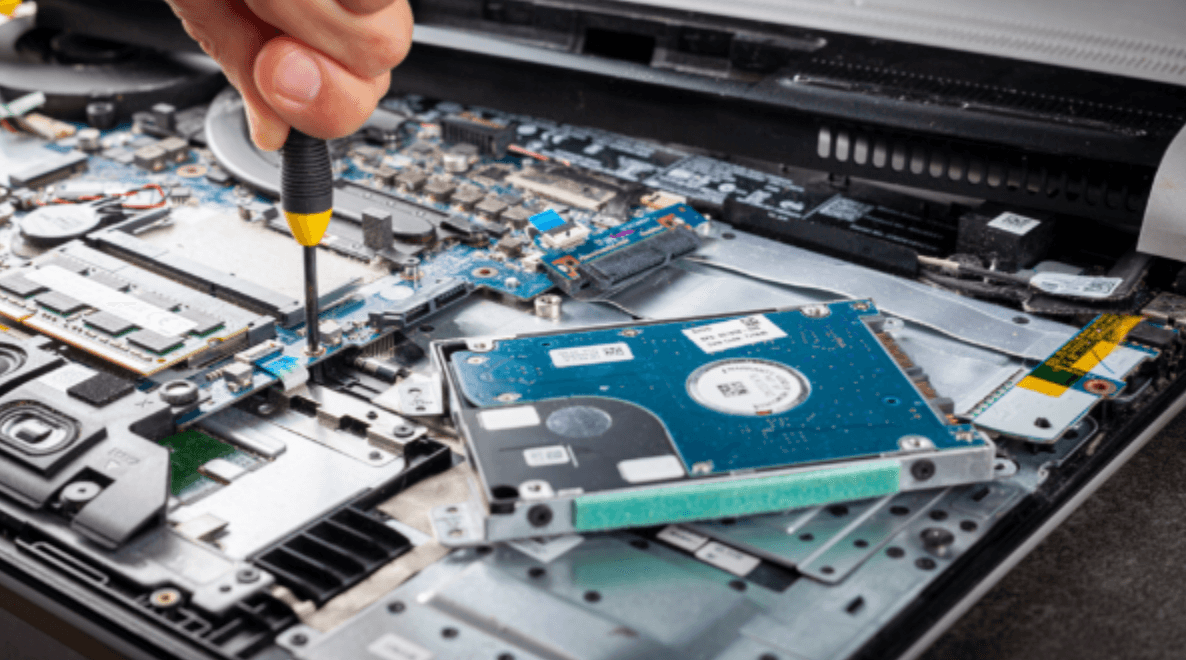
One often overlooked benefit is repair and refurbishment. Before discarding, evaluate whether minor maintenance can extend a device’s usefulness. For example, a malfunctioning hard drive or cracked laptop screen can be replaced, giving the asset a second life and saving money.
This not only supports a circular economy but also reduces e-waste generation.
Building Your ITAD Policy: A Step-by-Step Guide
Want to formalize your IT asset disposal efforts? Here’s how to create a bulletproof ITAD policy for your business.
Step 1: Start with Thoughtful Planning
Every successful IT asset disposal strategy begins with a solid plan. Take time to define which assets your policy will cover, from laptops and servers to mobile devices. Assign clear roles and responsibilities so everyone knows who’s accountable for what.
Next, define preferred disposal methods, such as repair, resale, or recycling, and establish realistic timelines and budgets to support the process. Don’t overlook considering potential risks, be it data breaches, legal non-compliance, or environmental damage. The more proactive your planning, the easier your ITAD journey will be.
Step 2: Don’t Rush to Toss – Evaluate Repair and Maintenance
Before you label any piece of equipment for disposal, take a moment to consider if it can be repaired or reused. Frequently, equipment that appears to be outdated can find a new use in the organization or as a donation. Establish a checklist with repair criteria and have a list of approved service vendors. By prolonging your tech equipment’s life, you’re saving yourself money and limiting overall e-waste.
Step 3: Securely Retrieve and Decommission Assets
When an employee leaves, or hardware reaches its end-of-life, you need a defined process to bring those assets back safely. This involves logging devices, securely decommissioning them, and storing them in a designated, protected area until the next step. Clear retrieval protocols reduce the risk of lost devices, data leaks, or unmanaged inventory buildup. It’s about keeping things secure, efficient, and organized from the start.
Step 4: Wipe Data the Right Way
Data destruction isn’t just a checkbox. It’s critical to your organization’s security. Your policy should clearly state how different data types and devices will be sanitized through secure erasure or physical destruction. Make sure your methods align with data privacy regulations like GDPR or HIPAA. As importantly, keep detailed logs and obtain destruction certificates for each asset. This documentation can save you a headache during audits and reinforces your commitment to data protection.
Step 5: Choose the Right Disposal Paths
Not all assets are equal; neither are their disposal options at the end of their life. Some equipment may be ready for resale, and some may be perfect for donation to educational institutions or NGOs. For anything worthless, certified destruction is where it’s at. Your disposal approach should reflect your company’s sustainability ambitions and CSR policies. And, after all, your disposal of your assets reveals a lot about your brand’s ethics and eco-friendliness.
Step 6: Record Everything for Full Accountability
Documentation in ITAD isn’t a mere procedure. It’s mandatory. Document everything diligently, from disposal certificates, chain-of-custody forms, and inventory logs to compliance reports. Not only does this make you audit-compliant, but it also fosters internal transparency. Recykal is a solution that allows you to automate and consolidate documentation, freeing your team from time spent on paperwork while keeping everything clean and within reach.
Step 7: Partner with the Right People
The final piece of the puzzle is choosing your disposal partners wisely. Work only with vendors who hold valid licenses and certifications like R2 (Responsible Recycling), ISO 14001 (environmental standards), and ISO 27001 (information security). These credentials show they take compliance and sustainability as seriously as you do. Don’t stop at onboarding. Conduct regular reviews and maintain formal contracts that clearly outline responsibilities. A trusted partner is key to building a responsible, risk-free ITAD process.
Best Practices for Effective IT Asset Disposal
Here are some golden rules to make your ITAD program foolproof:
Educate Your Employees – It’s essential that your team is fully aware of your ITAD policy and understands the procedures for safely managing and disposing of IT assets. Conduct regular training sessions to ensure everyone is on the same page regarding handling data, equipment, and compliance requirements.
Conduct Regular Audits – Consistent audits are critical to maintaining control over your assets. Reconcile your asset inventories monthly or quarterly to ensure that nothing is overlooked. This will also help identify discrepancies, lost items, or improperly disposed assets.
Stay Informed About Changing Regulations – IT asset disposal is a highly regulated area, with laws surrounding data privacy and environmental impact constantly evolving. Make it a priority to stay updated on local and global regulations. This includes staying on top of privacy laws such as GDPR, data destruction standards, and sustainability initiatives.
Maintain Transparency and Reporting – Transparency is key to building stakeholder trust. Regularly report your ITAD efforts in your Environmental, Social, and Governance (ESG) or sustainability reports. This demonstrates your commitment to responsible disposal and highlights your efforts toward reducing environmental impact and maintaining data security.
Work with Certified Partners – Choose ITAD providers certified by recognized industry standards, such as R2 or ISO 14001. Certified partners ensure your data destruction and recycling processes meet the highest security and environmental responsibility standards.
These best practices can simplify your IT asset disposal procedure, guarantee compliance, and help make a sustainable future.
How Recykal Can Help
It is easy to be overwhelmed with managing IT asset disposal in-house when dealing with data security, regulatory requirements, and green responsibility. But with Recykal, you can leave everything to us.
Recykal offers a comprehensive digital platform that streamlines every step of the IT asset disposal process. From real-time asset tracking to coordinating with certified recyclers, our solutions are designed to give you complete visibility and control over your end-of-life IT equipment.
Our platform also helps you stay audit-ready by generating detailed compliance reports that align with current environmental and data protection regulations. Additionally, Recykal empowers businesses to quantify and offset their environmental impact, contributing to a more sustainable future.
Whether it’s secure data destruction or ensuring responsible recycling, Recykal covers every aspect of IT asset disposal, efficiently, transparently, and ethically.
Final Thoughts
IT asset disposal isn’t just a routine back-office task, it’s a vital business function that plays a key role in protecting sensitive data, preserving brand reputation, advancing sustainability goals, and improving cost efficiency.
Choosing a secure and responsible ITAD strategy means more than just clearing out outdated equipment. It’s a commitment to building a smarter, safer, and more environmentally conscious future for your organization and the communities you impact.
If you’re ready to take the next step toward responsible IT asset disposal, Recykal is here to help. Our streamlined, compliant, and sustainable approach ensures your IT assets are handled with care from start to finish.
Let’s build a better future together. Get in touch with us today.
What happens to your old laptops, servers, and smartphones when they end their useful life? Do they end up in a forgotten drawer, a storeroom, or worse? A landfill.
With rapid tech upgrades and digital transformation, it’s easy to overlook what happens after we stop using our devices. However, improperly discarded IT assets can become serious environmental hazards and data security threats.
This is where IT Asset Disposition or ITAD comes into play – a structured, secure, and sustainable approach to retiring old tech.
In this guide, we’ll explain everything you need to know about IT asset disposal, why it matters, and how to do it responsibly, efficiently, and legally, with a little help from Recykal.
What is IT Asset Disposition?
Let’s start from the ground up.
Every technology we use, be it a laptop, desktop, server, smartphone, printer, or router, has a life cycle. Eventually, these devices become outdated, underperforming, or no longer needed due to upgrades or changes in business operations. But what happens when that day comes? That’s where IT Asset Disposition, or ITAD, comes into the picture.
ITAD is the structured, secure, and environmentally responsible process of handling retired IT equipment. It goes far beyond just “throwing away old electronics.” Improper disposal can expose your organization to serious risks, from data breaches to regulatory fines and reputational damage.
Think of ITAD as the final chapter in your IT asset’s journey, but one that must be handled with as much care and strategy as when the device was first deployed. It’s about giving your old equipment a second life while safeguarding your business and doing right by the planet.
Here’s what makes ITAD so important:
It protects your sensitive data.
Even after a device is turned off, its hard drives or memory can still hold confidential business data, customer information, or proprietary insights. ITAD ensures that this data is completely and irreversibly destroyed using certified methods like wiping, degaussing, or physical shredding.
It helps you stay compliant with laws and regulations.
Today’s businesses operate in a world of strict data privacy rules. From GDPR in Europe to HIPAA in the U.S., India’s IT Act, and e-waste management rules, multiple regulations govern how companies must dispose of data and electronic equipment. A solid ITAD process helps you meet these requirements, avoiding fines and legal issues.
It recovers value from retired assets.
Just because a device is no longer helpful to you doesn’t mean it has no value. Many IT assets can be refurbished, repurposed, or sold in secondary markets. ITAD includes assessing each item’s resale potential, helping your business recover a portion of your investment while extending the asset’s lifespan.
It reduces your environmental footprint.
E-waste is a global crisis, with millions of tons of electronics ending up in landfills yearly, leaking toxic materials into our soil and water. ITAD promotes responsible recycling; ensuring that reusable parts are salvaged, harmful components are safely handled, and precious resources like gold, copper, and rare earth metals are recovered and reused.
In other words, ITAD transforms the end of an asset’s life into an opportunity; an opportunity to protect your organization, support your sustainability goals, and even generate some financial return. Whether you’re wiping sensitive data from a hard drive, refurbishing a batch of laptops for resale, or breaking down a server for parts, the right ITAD process ensures that each step is handled professionally and responsibly.
Why IT Asset Disposal Matters
As reported by the UN Global E-waste Monitor 2020, the world generated 53.6 million metric tonnes of electronic waste in 2019, a staggering 21% increase over just five years. That leaves 44 million tons of electronic waste potentially leaking toxins into the environment or exposing sensitive data.
Here’s why responsible IT asset disposal is more important than ever:
Data Security Risks
Old devices carry sensitive information like customer data, business IP, and financial records. Improper disposal could lead to data breaches and identity theft, putting your business reputation and finances on the line.
Regulatory Compliance
With stringent laws like GDPR, HIPAA, and other local data protection regulations, businesses must ensure secure data erasure. Violations can lead to heavy fines; GDPR violations alone have resulted in penalties exceeding 4 billion.
Environmental Impact
E-waste contains hazardous materials like lead, mercury, and cadmium. If mishandled, these pollutants can contaminate air, water, and land. ITAD promotes sound recycling and reuse, lowering your business’s carbon footprint and upholding sustainability.
Cost Recovery and Efficiency
Do you think all old tech is worthless? Think again. Companies can recover substantial value from outdated equipment through resale, donation, or refurbishment, helping to pay for new hardware or IT upgrades.
Key Stages of the ITAD Process
ITAD is not a one-step job. It’s a multi-stage process involving several key actions to ensure a secure and sustainable outcome.
Asset Identification and Audit
The first step is knowing what you have. Carry out a thorough inventory audit of all IT assets being disposed of. This comprises hardware location, serial number, configuration, and data status.
Next-generation asset management platforms such as Recykal’s digital waste management solution can easily track and tag assets with QR codes or RFID for real-time updates.
Data Erasure and Destruction
Before any equipment leaves your premises, all data must be securely wiped. This can be done through:
Overwriting (replacing existing data)
Degaussing (magnetic field destruction)
Physical destruction (shredding or crushing drives)
Certified tools and methods ensure that no data is recoverable, protecting your business and clients.
Value Recovery
Not all tech needs to be scrapped. ITAD includes assessing each device for potential resale, donation, or refurbishment. Working devices can be cleaned, tested, and resold, either internally or via partners.
This stage supports the circular economy and recovers part of your initial investment.
Eco-Friendly Recycling
If assets are too old or damaged, they must be dismantled and recycled in compliance with e-waste regulations. Eco-responsible recyclers remove reusable parts and properly dispose of e-waste.
Recykal collaborates with licensed e-waste recyclers, maintaining complete traceability and environmentally friendly disposal.
Documentation and Reporting
Complete records are essential. Businesses must maintain:
Certificates of Data Destruction
Environmental compliance documentation
Chain-of-custody records
Audit-ready reports
This documentation supports regulatory audits and gives peace of mind that assets were handled responsibly.
6 Pillars of a Responsible ITAD Program
If you’re planning to build or refine your IT asset disposal strategy, focus on these six core pillars:
Data Security
Use certified data erasure tools and ensure physical destruction of drives when necessary. Verify that your service provider complies with international data security standards, such as ISO 27001.
Regulatory Compliance
Understand and comply with data protection laws, local e-waste management rules, and ITAD industry standards (like R2 or e-Stewards). Work only with certified vendors who can provide the necessary audit trails.
Environmental Responsibility
Ensure your ITAD practices support sustainability. That includes making environmentally friendly recycling choices, avoiding landfills, and reducing carbon emissions. Recykal assists organizations in counterbalancing their footprint by encouraging circular material loops.
Asset Tracking
Monitor all devices from decommissioning until they are finally disposed of. Utilize digital tracking software and dashboards to keep a view and control of your asset disposition pipeline.
Value Recovery
Don’t just dispose, evaluate. Devices that can be refurbished, resold, or donated should be used to recover operational costs and extend product lifecycles.
Trusted Partners
Partner with licensed, certified, and transparent ITAD vendors. Recykal collaborates with certified dismantlers and recyclers to provide complete accountability at every stage.
These six pillars – data security, compliance, environmental stewardship, tracking, value recovery, and trusted partnerships – form the foundation of a secure, sustainable, and cost-effective disposal strategy. When these elements work harmoniously, your ITAD process becomes a powerful driver of risk reduction, resource efficiency, and corporate responsibility.
How ITAD Fits into the IT Asset Lifecycle
Every IT asset has a lifecycle, from acquisition and deployment to maintenance and disposal. ITAD is critical in the final stage, helping businesses manage end-of-life assets efficiently and sustainably.
One often overlooked benefit is repair and refurbishment. Before discarding, evaluate whether minor maintenance can extend a device’s usefulness. For example, a malfunctioning hard drive or cracked laptop screen can be replaced, giving the asset a second life and saving money.
This not only supports a circular economy but also reduces e-waste generation.
Building Your ITAD Policy: A Step-by-Step Guide
Want to formalize your IT asset disposal efforts? Here’s how to create a bulletproof ITAD policy for your business.
Step 1: Start with Thoughtful Planning
Every successful IT asset disposal strategy begins with a solid plan. Take time to define which assets your policy will cover, from laptops and servers to mobile devices. Assign clear roles and responsibilities so everyone knows who’s accountable for what.
Next, define preferred disposal methods, such as repair, resale, or recycling, and establish realistic timelines and budgets to support the process. Don’t overlook considering potential risks, be it data breaches, legal non-compliance, or environmental damage. The more proactive your planning, the easier your ITAD journey will be.
Step 2: Don’t Rush to Toss – Evaluate Repair and Maintenance
Before you label any piece of equipment for disposal, take a moment to consider if it can be repaired or reused. Frequently, equipment that appears to be outdated can find a new use in the organization or as a donation. Establish a checklist with repair criteria and have a list of approved service vendors. By prolonging your tech equipment’s life, you’re saving yourself money and limiting overall e-waste.
Step 3: Securely Retrieve and Decommission Assets
When an employee leaves, or hardware reaches its end-of-life, you need a defined process to bring those assets back safely. This involves logging devices, securely decommissioning them, and storing them in a designated, protected area until the next step. Clear retrieval protocols reduce the risk of lost devices, data leaks, or unmanaged inventory buildup. It’s about keeping things secure, efficient, and organized from the start.
Step 4: Wipe Data the Right Way
Data destruction isn’t just a checkbox. It’s critical to your organization’s security. Your policy should clearly state how different data types and devices will be sanitized through secure erasure or physical destruction. Make sure your methods align with data privacy regulations like GDPR or HIPAA. As importantly, keep detailed logs and obtain destruction certificates for each asset. This documentation can save you a headache during audits and reinforces your commitment to data protection.
Step 5: Choose the Right Disposal Paths
Not all assets are equal; neither are their disposal options at the end of their life. Some equipment may be ready for resale, and some may be perfect for donation to educational institutions or NGOs. For anything worthless, certified destruction is where it’s at. Your disposal approach should reflect your company’s sustainability ambitions and CSR policies. And, after all, your disposal of your assets reveals a lot about your brand’s ethics and eco-friendliness.
Step 6: Record Everything for Full Accountability
Documentation in ITAD isn’t a mere procedure. It’s mandatory. Document everything diligently, from disposal certificates, chain-of-custody forms, and inventory logs to compliance reports. Not only does this make you audit-compliant, but it also fosters internal transparency. Recykal is a solution that allows you to automate and consolidate documentation, freeing your team from time spent on paperwork while keeping everything clean and within reach.
Step 7: Partner with the Right People
The final piece of the puzzle is choosing your disposal partners wisely. Work only with vendors who hold valid licenses and certifications like R2 (Responsible Recycling), ISO 14001 (environmental standards), and ISO 27001 (information security). These credentials show they take compliance and sustainability as seriously as you do. Don’t stop at onboarding. Conduct regular reviews and maintain formal contracts that clearly outline responsibilities. A trusted partner is key to building a responsible, risk-free ITAD process.
Best Practices for Effective IT Asset Disposal
Here are some golden rules to make your ITAD program foolproof:
Educate Your Employees – It’s essential that your team is fully aware of your ITAD policy and understands the procedures for safely managing and disposing of IT assets. Conduct regular training sessions to ensure everyone is on the same page regarding handling data, equipment, and compliance requirements.
Conduct Regular Audits – Consistent audits are critical to maintaining control over your assets. Reconcile your asset inventories monthly or quarterly to ensure that nothing is overlooked. This will also help identify discrepancies, lost items, or improperly disposed assets.
Stay Informed About Changing Regulations – IT asset disposal is a highly regulated area, with laws surrounding data privacy and environmental impact constantly evolving. Make it a priority to stay updated on local and global regulations. This includes staying on top of privacy laws such as GDPR, data destruction standards, and sustainability initiatives.
Maintain Transparency and Reporting – Transparency is key to building stakeholder trust. Regularly report your ITAD efforts in your Environmental, Social, and Governance (ESG) or sustainability reports. This demonstrates your commitment to responsible disposal and highlights your efforts toward reducing environmental impact and maintaining data security.
Work with Certified Partners – Choose ITAD providers certified by recognized industry standards, such as R2 or ISO 14001. Certified partners ensure your data destruction and recycling processes meet the highest security and environmental responsibility standards.
These best practices can simplify your IT asset disposal procedure, guarantee compliance, and help make a sustainable future.
How Recykal Can Help
It is easy to be overwhelmed with managing IT asset disposal in-house when dealing with data security, regulatory requirements, and green responsibility. But with Recykal, you can leave everything to us.
Recykal offers a comprehensive digital platform that streamlines every step of the IT asset disposal process. From real-time asset tracking to coordinating with certified recyclers, our solutions are designed to give you complete visibility and control over your end-of-life IT equipment.
Our platform also helps you stay audit-ready by generating detailed compliance reports that align with current environmental and data protection regulations. Additionally, Recykal empowers businesses to quantify and offset their environmental impact, contributing to a more sustainable future.
Whether it’s secure data destruction or ensuring responsible recycling, Recykal covers every aspect of IT asset disposal, efficiently, transparently, and ethically.
Final Thoughts
IT asset disposal isn’t just a routine back-office task, it’s a vital business function that plays a key role in protecting sensitive data, preserving brand reputation, advancing sustainability goals, and improving cost efficiency.
Choosing a secure and responsible ITAD strategy means more than just clearing out outdated equipment. It’s a commitment to building a smarter, safer, and more environmentally conscious future for your organization and the communities you impact.
If you’re ready to take the next step toward responsible IT asset disposal, Recykal is here to help. Our streamlined, compliant, and sustainable approach ensures your IT assets are handled with care from start to finish.
Let’s build a better future together. Get in touch with us today.
Related Blogs
Read More From Our Blog
Read More From Our Blog

Join our newsletter list
Sign up to get the most recent blog articles in your email every week.