How to Make Your ITAD Strategy More Sustainable
How to Make Your ITAD Strategy More Sustainable
Apr 23, 2024
Learn how to make your ITAD strategy more sustainable. Responsible disposal of IT assets can positively impact your ESG goals while reducing your environmental impact.
Learn how to make your ITAD strategy more sustainable. Responsible disposal of IT assets can positively impact your ESG goals while reducing your environmental impact.
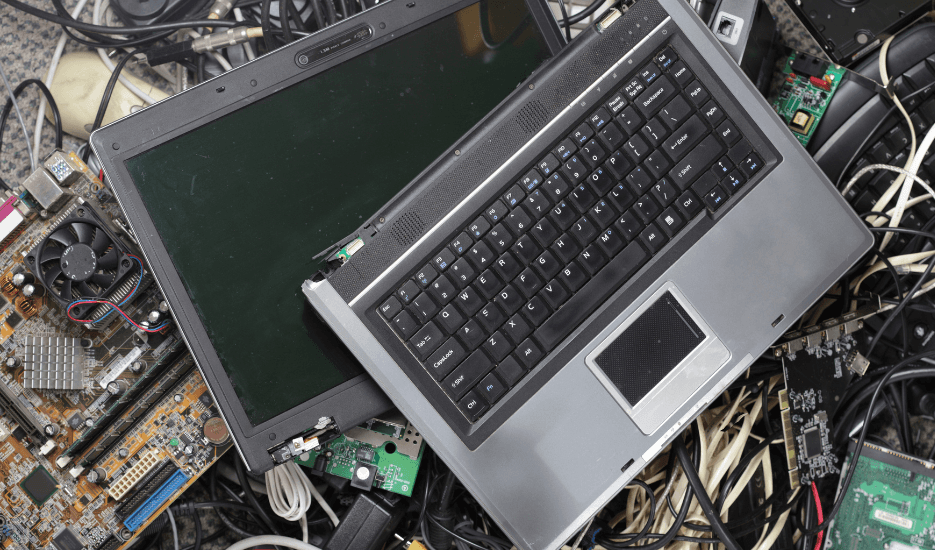
In this rapidly evolving technology ecosystem, businesses are constantly in a rush to upgrade their IT infrastructure to improve team productivity and stay ahead of their competition. However, the decommissioned E-Waste assets from this process often end up in landfills, contributing to environmental pollution and resource depletion. In 2023, the Earth was burdened with an astonishing amount of unrecycled E-Waste, a staggering 347 million tons.
This is where IT Asset Disposition (ITAD) plays a vital role in sustainable business practices. By responsibly managing the disposal of electronic waste, businesses can minimise their environmental impact and contribute to a circular economy.
In this blog, we will explore how businesses can make their ITAD strategies more sustainable and environmentally friendly.
Assessing Your Current ITAD Strategy
Before implementing any changes or improvements to your ITAD strategy, it is essential to assess your current practices. This evaluation will help you understand the environmental impact of your existing strategy and identify areas for improvement.
Start by examining how you currently handle end-of-life IT assets. Are they being disposed of, recycled, or repurposed?
Evaluate the energy consumption, emissions, and waste generated during each step of the process. Consider conducting an environmental impact assessment to get an understanding of your current practices.
Identify areas for improvement and set sustainability goals for your organisation. Look for opportunities to reduce electronic waste through refurbishment and reuse instead of disposal.
Ensure proper recycling methods during disposal to minimise the impact on the environment.
Implementing Sustainable Practices in Your ITAD Strategy
To make your ITAD strategy more sustainable, it is crucial to embrace practices that prioritise environmental responsibility. Here are some key steps you can take:
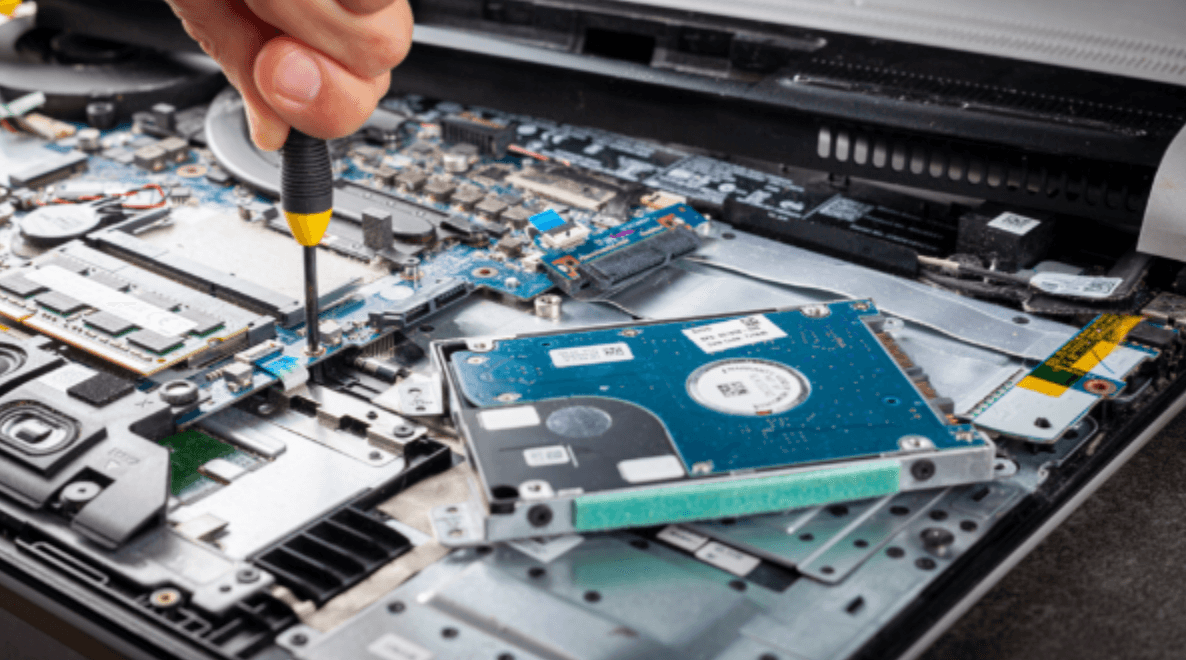
Opt for refurbishment and reuse over disposal: Instead of automatically disposing of end-of-life IT assets, consider refurbishing them for reuse within your organisation or donating them to non-profit organisations. Refurbished devices not only reduce E-Waste but also contribute to cost savings.
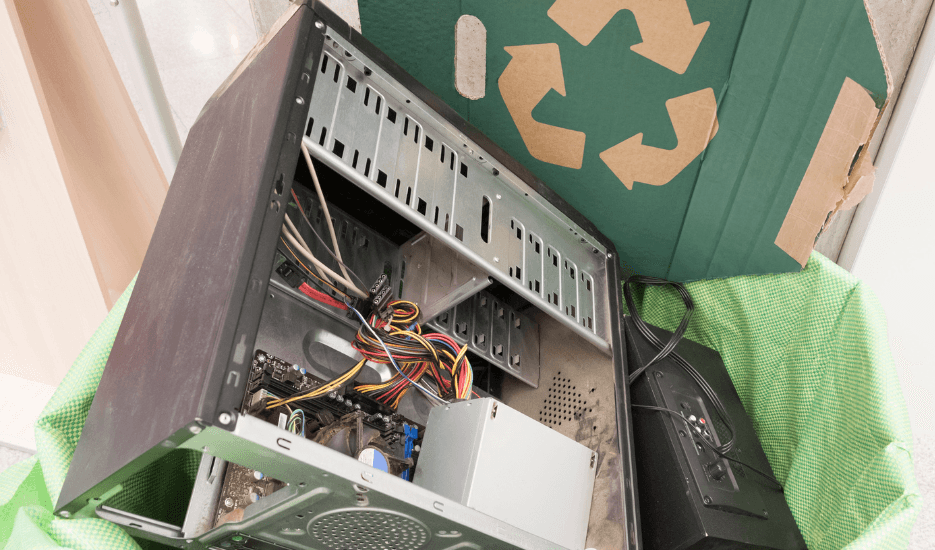
Properly recycle electronic waste: When disposal is necessary, ensure that electronic waste is recycled using responsible and certified E-Waste recyclers. These recyclers follow environmentally friendly practices and ensure that hazardous materials are properly handled and disposed of, reducing the potential harm to the environment.
Utilise certified E-Waste recyclers: Partner with certified E-Waste recyclers who adhere to industry standards for responsible recycling. Look for certifications to ensure that your IT assets are being handled responsibly throughout their lifecycle.
Embrace circular economy principles through asset recovery and resale: Instead of disposing of IT assets once they are no longer needed, explore opportunities for asset recovery and resale. By refurbishing and reselling IT equipment, you not only extend the lifecycle of these assets but also reduce the demand for new products, saving resources and energy in the process.
Partnering with a Reliable ITAD E-Waste Recycler
Choosing a reputable and experienced ITAD/E-Waste recycler is crucial in ensuring the success of your sustainability efforts. Consider the following factors when selecting an ITAD partner:
Certifications: Look for certifications to ensure that the recycler follows industry best practices in environmental management and data security.
Expertise: Evaluate the recycler’s expertise in ITAD services, especially their knowledge of sustainable practices and compliance with environmental regulations.
Services: Check if the recycler offers end-to-end E-Waste recycling, including services like data degaussing and shredding.
The right ITAD E-Waste recycler can help you streamline your IT asset disposal processes, maximise value recovery from retired assets, minimise environmental impact, and ensure data security throughout the entire lifecycle of your IT assets.
Monitoring and Continuous Improvement
To ensure the effectiveness of your sustainable ITAD strategy, it is essential to monitor performance metrics and track progress towards your corporate sustainability goals.
Regularly audit your processes to identify any gaps or areas for improvement.
Engage employees by fostering a culture of responsibility towards the environment and provide training on best practices for E-Waste management.
Stay up-to-date with evolving environmental regulations and standards to ensure compliance. Regularly review your processes to ensure they align with the latest guidelines.
By making your ITAD strategy more sustainable, businesses can contribute to a greener future while also benefiting financially through value recovery from disposed assets. Embracing refurbishment, proper recycling, circular economy principles, and partnering with Reliable ITAD E-Waste Recycler will help businesses achieve their sustainability goals.
At Recykal, we have developed a dedicated platform that helps brands like yours list their E-Waste assets for disposal and connects them with Recykal-verified recyclers to ensure proper disposal and data erasure with sustainability impact reports. Visit our website to discover how our platform can assist your business in achieving its sustainability objectives.
Wondering what your old IT assets are really worth? Find out instantly with our ITAD Calculator!
In this rapidly evolving technology ecosystem, businesses are constantly in a rush to upgrade their IT infrastructure to improve team productivity and stay ahead of their competition. However, the decommissioned E-Waste assets from this process often end up in landfills, contributing to environmental pollution and resource depletion. In 2023, the Earth was burdened with an astonishing amount of unrecycled E-Waste, a staggering 347 million tons.
This is where IT Asset Disposition (ITAD) plays a vital role in sustainable business practices. By responsibly managing the disposal of electronic waste, businesses can minimise their environmental impact and contribute to a circular economy.
In this blog, we will explore how businesses can make their ITAD strategies more sustainable and environmentally friendly.
Assessing Your Current ITAD Strategy
Before implementing any changes or improvements to your ITAD strategy, it is essential to assess your current practices. This evaluation will help you understand the environmental impact of your existing strategy and identify areas for improvement.
Start by examining how you currently handle end-of-life IT assets. Are they being disposed of, recycled, or repurposed?
Evaluate the energy consumption, emissions, and waste generated during each step of the process. Consider conducting an environmental impact assessment to get an understanding of your current practices.
Identify areas for improvement and set sustainability goals for your organisation. Look for opportunities to reduce electronic waste through refurbishment and reuse instead of disposal.
Ensure proper recycling methods during disposal to minimise the impact on the environment.
Implementing Sustainable Practices in Your ITAD Strategy
To make your ITAD strategy more sustainable, it is crucial to embrace practices that prioritise environmental responsibility. Here are some key steps you can take:
Opt for refurbishment and reuse over disposal: Instead of automatically disposing of end-of-life IT assets, consider refurbishing them for reuse within your organisation or donating them to non-profit organisations. Refurbished devices not only reduce E-Waste but also contribute to cost savings.
Properly recycle electronic waste: When disposal is necessary, ensure that electronic waste is recycled using responsible and certified E-Waste recyclers. These recyclers follow environmentally friendly practices and ensure that hazardous materials are properly handled and disposed of, reducing the potential harm to the environment.
Utilise certified E-Waste recyclers: Partner with certified E-Waste recyclers who adhere to industry standards for responsible recycling. Look for certifications to ensure that your IT assets are being handled responsibly throughout their lifecycle.
Embrace circular economy principles through asset recovery and resale: Instead of disposing of IT assets once they are no longer needed, explore opportunities for asset recovery and resale. By refurbishing and reselling IT equipment, you not only extend the lifecycle of these assets but also reduce the demand for new products, saving resources and energy in the process.
Partnering with a Reliable ITAD E-Waste Recycler
Choosing a reputable and experienced ITAD/E-Waste recycler is crucial in ensuring the success of your sustainability efforts. Consider the following factors when selecting an ITAD partner:
Certifications: Look for certifications to ensure that the recycler follows industry best practices in environmental management and data security.
Expertise: Evaluate the recycler’s expertise in ITAD services, especially their knowledge of sustainable practices and compliance with environmental regulations.
Services: Check if the recycler offers end-to-end E-Waste recycling, including services like data degaussing and shredding.
The right ITAD E-Waste recycler can help you streamline your IT asset disposal processes, maximise value recovery from retired assets, minimise environmental impact, and ensure data security throughout the entire lifecycle of your IT assets.
Monitoring and Continuous Improvement
To ensure the effectiveness of your sustainable ITAD strategy, it is essential to monitor performance metrics and track progress towards your corporate sustainability goals.
Regularly audit your processes to identify any gaps or areas for improvement.
Engage employees by fostering a culture of responsibility towards the environment and provide training on best practices for E-Waste management.
Stay up-to-date with evolving environmental regulations and standards to ensure compliance. Regularly review your processes to ensure they align with the latest guidelines.
By making your ITAD strategy more sustainable, businesses can contribute to a greener future while also benefiting financially through value recovery from disposed assets. Embracing refurbishment, proper recycling, circular economy principles, and partnering with Reliable ITAD E-Waste Recycler will help businesses achieve their sustainability goals.
At Recykal, we have developed a dedicated platform that helps brands like yours list their E-Waste assets for disposal and connects them with Recykal-verified recyclers to ensure proper disposal and data erasure with sustainability impact reports. Visit our website to discover how our platform can assist your business in achieving its sustainability objectives.
Wondering what your old IT assets are really worth? Find out instantly with our ITAD Calculator!
Related Blogs
Read More From Our Blog
Read More From Our Blog
Join our newsletter list
Sign up to get the most recent blog articles in your email every week.