Blockchain in Waste Management 2025: Transforming Sustainability
Blockchain in Waste Management 2025: Transforming Sustainability
Aug 29, 2025
Blockchain can automate data collection, eliminating discrepancies. It can validate and reward proper disposal practices, ensuring compliance.
Blockchain can automate data collection, eliminating discrepancies. It can validate and reward proper disposal practices, ensuring compliance.
Blockchain has been one of the most innovative technologies, revolutionizing how people and companies perform tasks, including waste management. Waste management is becoming an increasingly difficult task due to the rising population, leading to increased production and demanding new ways to deal with the issue. This article briefly explores the opportunities blockchain solutions offer for improving waste management.
What is Blockchain?
In layman’s terms, blockchain is a system of ledgers among computers that keeps records and serves to protect data integrity and improve security. In industry, this system of computerized ledgers helps ensure that important information is executed appropriately or that certain information is original. Regarding waste management, this technology could resolve issues mainly centered around the security of information and transparency.
Possible Solutions Blockchain Offers
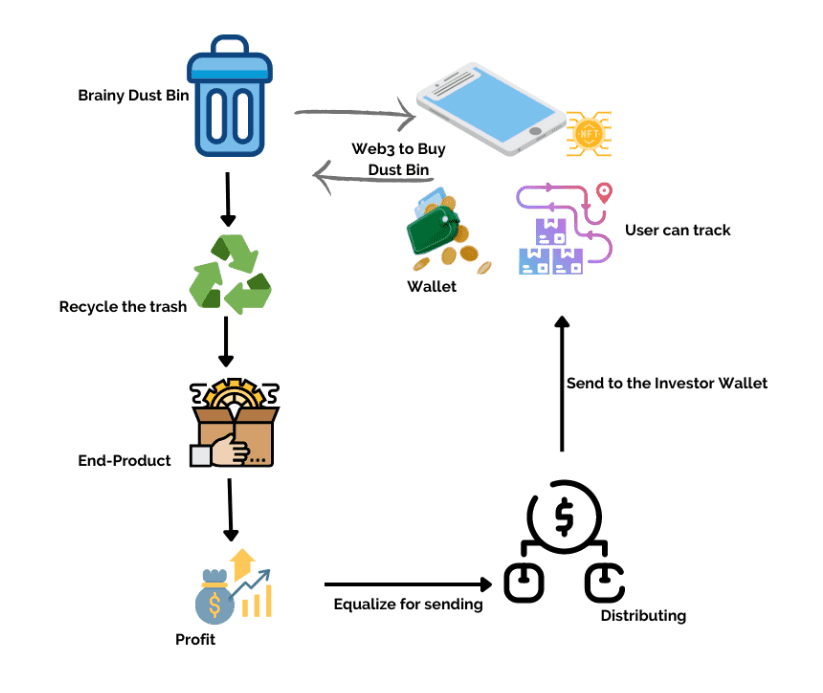
Issues in the current waste management system stem from a lack of reform, particularly in data processing. As a result of this lack of reform, there has been a consistent rise in environmental pollution, resource wastage, and financial loss. The traditional manual process of waste management has become outdated, leading to inaccurate data collection or data being provided at an insufficient rate. Blockchain can change how waste is handled by individuals and businesses by providing records on waste from its origin to its dispersal. Each waste transfer, generation, and handling event can be managed and recorded by the blockchain system and provided to appropriate parties who are stakeholders in the waste management process. A common illegal practice among waste management companies is fraud and non-compliance with waste regulations. Companies often illegally dispose of waste and use other unethical means to cut costs. With blockchain’s irreversible ledger, such illegal practices can be addressed effectively due to the monitoring system that cannot be influenced or changed by any separate body or person. This computerized ledger ensures that companies follow the right protocols in all aspects of waste disposal. Another innovative way that blockchain can improve waste management is through the introduction of a special token to encourage proper waste management practices. Due to monitoring already placed on dustbins and other disposal units, the system can also reward individuals or companies that dispose of and recycle their waste in a preferred manner with tokens that entitle them to benefits, as shown in image A below.
Examples of Blockchain Being Used in Waste Management Plastic Bank
Plastic Bank is an organization founded in Vancouver, British Columbia, Canada, that aims to limit the spread of plastic, specifically in the ocean, while also helping impoverished communities. The organization does this by paying people for plastics collected using a token. This engages communities in taking action against issues such as plastic pollution in the sea, which can often be a dangerous hazard for sea animals. In this case, blockchain is used as a form of currency that motivates people to manage waste and sends a message about the importance of waste control.
Civic Ledger
Civic Ledger is a technology company known for its drive toward the “fourth industrial revolution.” It has taken significant steps in utilizing blockchain technology in waste management.The company uses technology to manage organic waste. The blockchain system is integrated with other technologies to record data on waste collection and treatment, providing a transparent and auditable trail of organic waste. Similar industries can utilize this technology to improve the disposal of their waste more securely.
Circularise
Circularise is a blockchain platform that provides a circular economy service, a system where transparency and traceability of certain materials are ensured throughout theirlifecycle. The platform is used by various industries, including waste management, to track and verify the recycling and reuse of materials.
The Future and Challenges
Although the progress of blockchain technology in the waste management industry is still in its early stages, its immense potential cannot be ignored. Other technological advancements, such as IoT integration, the use of artificial intelligence in analytics, and the wider use of smart contracts, show that a blockchain-run waste management system is possible. However, several challenges must be addressed before broader advancements can be made. These include the high energy consumption of blockchain networks and the significant investment in infrastructure and technology. Additionally, state authorities must create regulations to support the use of such technology.
Conclusion
The main aspects of blockchain being used in managing waste are centered around transparency, efficiency, accountability, and engagement by all parties involved in waste disposal. By addressing these key sectors through blockchain, the waste management system can evolve from its current state to deal with a larger magnitude of waste more efficiently by holding companies and individuals responsible.
Blockchain has been one of the most innovative technologies, revolutionizing how people and companies perform tasks, including waste management. Waste management is becoming an increasingly difficult task due to the rising population, leading to increased production and demanding new ways to deal with the issue. This article briefly explores the opportunities blockchain solutions offer for improving waste management.
What is Blockchain?
In layman’s terms, blockchain is a system of ledgers among computers that keeps records and serves to protect data integrity and improve security. In industry, this system of computerized ledgers helps ensure that important information is executed appropriately or that certain information is original. Regarding waste management, this technology could resolve issues mainly centered around the security of information and transparency.
Possible Solutions Blockchain Offers
Issues in the current waste management system stem from a lack of reform, particularly in data processing. As a result of this lack of reform, there has been a consistent rise in environmental pollution, resource wastage, and financial loss. The traditional manual process of waste management has become outdated, leading to inaccurate data collection or data being provided at an insufficient rate. Blockchain can change how waste is handled by individuals and businesses by providing records on waste from its origin to its dispersal. Each waste transfer, generation, and handling event can be managed and recorded by the blockchain system and provided to appropriate parties who are stakeholders in the waste management process. A common illegal practice among waste management companies is fraud and non-compliance with waste regulations. Companies often illegally dispose of waste and use other unethical means to cut costs. With blockchain’s irreversible ledger, such illegal practices can be addressed effectively due to the monitoring system that cannot be influenced or changed by any separate body or person. This computerized ledger ensures that companies follow the right protocols in all aspects of waste disposal. Another innovative way that blockchain can improve waste management is through the introduction of a special token to encourage proper waste management practices. Due to monitoring already placed on dustbins and other disposal units, the system can also reward individuals or companies that dispose of and recycle their waste in a preferred manner with tokens that entitle them to benefits, as shown in image A below.
Examples of Blockchain Being Used in Waste Management Plastic Bank
Plastic Bank is an organization founded in Vancouver, British Columbia, Canada, that aims to limit the spread of plastic, specifically in the ocean, while also helping impoverished communities. The organization does this by paying people for plastics collected using a token. This engages communities in taking action against issues such as plastic pollution in the sea, which can often be a dangerous hazard for sea animals. In this case, blockchain is used as a form of currency that motivates people to manage waste and sends a message about the importance of waste control.
Civic Ledger
Civic Ledger is a technology company known for its drive toward the “fourth industrial revolution.” It has taken significant steps in utilizing blockchain technology in waste management.The company uses technology to manage organic waste. The blockchain system is integrated with other technologies to record data on waste collection and treatment, providing a transparent and auditable trail of organic waste. Similar industries can utilize this technology to improve the disposal of their waste more securely.
Circularise
Circularise is a blockchain platform that provides a circular economy service, a system where transparency and traceability of certain materials are ensured throughout theirlifecycle. The platform is used by various industries, including waste management, to track and verify the recycling and reuse of materials.
The Future and Challenges
Although the progress of blockchain technology in the waste management industry is still in its early stages, its immense potential cannot be ignored. Other technological advancements, such as IoT integration, the use of artificial intelligence in analytics, and the wider use of smart contracts, show that a blockchain-run waste management system is possible. However, several challenges must be addressed before broader advancements can be made. These include the high energy consumption of blockchain networks and the significant investment in infrastructure and technology. Additionally, state authorities must create regulations to support the use of such technology.
Conclusion
The main aspects of blockchain being used in managing waste are centered around transparency, efficiency, accountability, and engagement by all parties involved in waste disposal. By addressing these key sectors through blockchain, the waste management system can evolve from its current state to deal with a larger magnitude of waste more efficiently by holding companies and individuals responsible.
Related Blogs
Read More From Our Blog
Read More From Our Blog

Join our newsletter list
Sign up to get the most recent blog articles in your email every week.