
























EPR Battery
Hit Your EPR Battery Fulfilment Targets. On Time, Every Time
Onboard with India’s most trusted EPR fulfilment platform, 100+ verified recyclers, real-time reporting, and 100% compliance.

EPR Battery
Hit Your EPR Battery Fulfilment Targets. On Time, Every Time
Onboard with India’s most trusted EPR fulfilment platform, 100+ verified recyclers, real-time reporting, and 100% compliance.
Trusted by more than 650+ brands who believe in accountability.
30,00,000+ MT of Waste Channelised
The Reality Today
The Reality Today
Battery EPR is now a multi-category, multi-channel responsibility that has to be managed with full traceability.
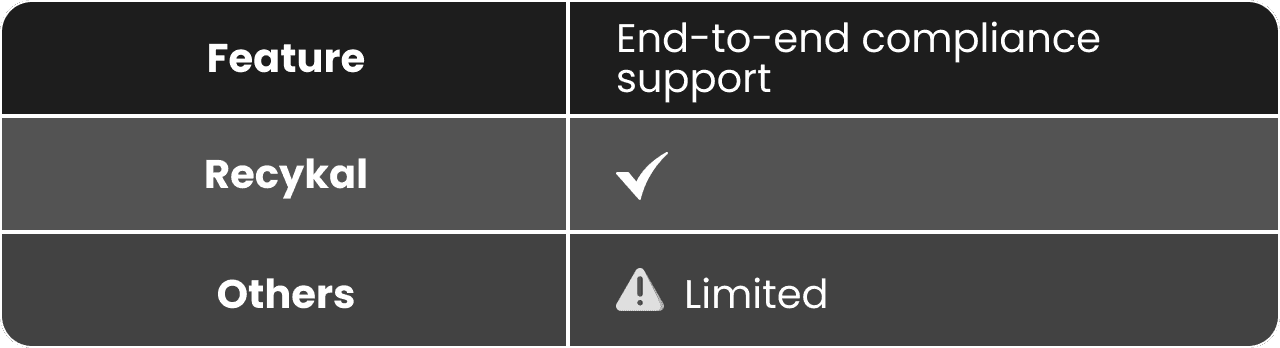
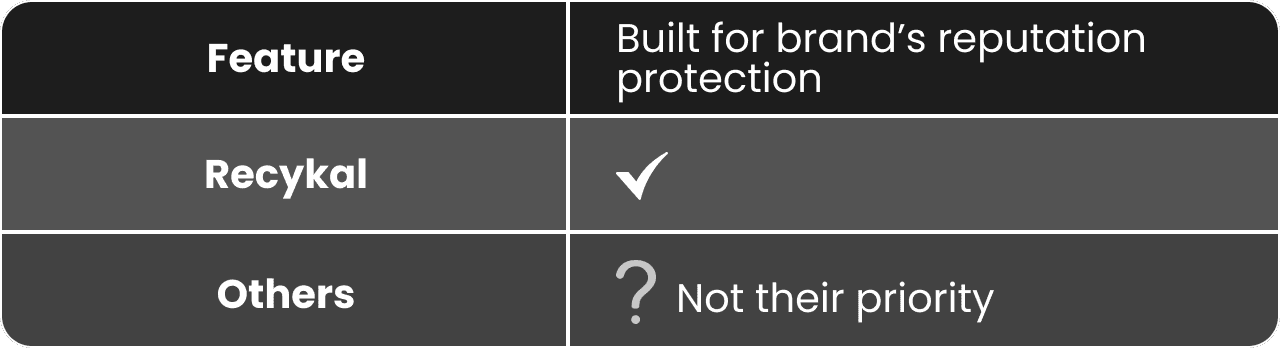
Your team is or could likely end up juggling CPCB registration, collection targets, authorised recyclers, and document trails, all while the CPCB watches closely It only takes one fake credit, one missed submission, or one non-authorised partner to land you in a compliance crisis.
Battery EPR is now a multi-category,
multi-channel responsibility that has to be managed with full traceability.
Your team is or could likely end up juggling CPCB registration, collection targets, authorised recyclers, and document trails, all while the CPCB watches closely It only takes one fake credit, one missed submission, or one non-authorised partner to land you in a compliance crisis.
How Recykal
Simplifies EPR
01
Discover and Manage Vendors
We start by getting to know your business, target, and competitive landscape.


02
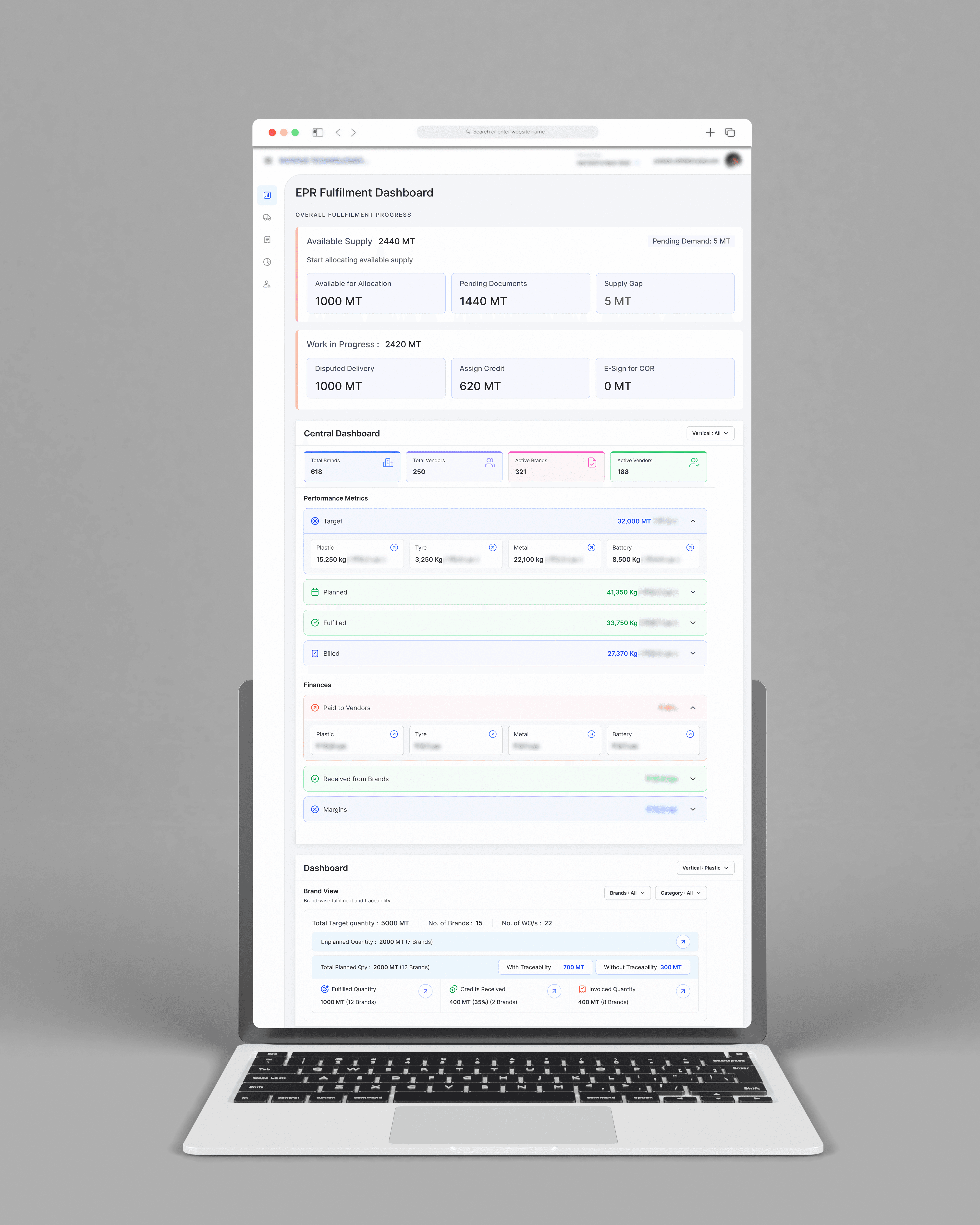
Plan & Monitor Your EPR Fulfilment Online
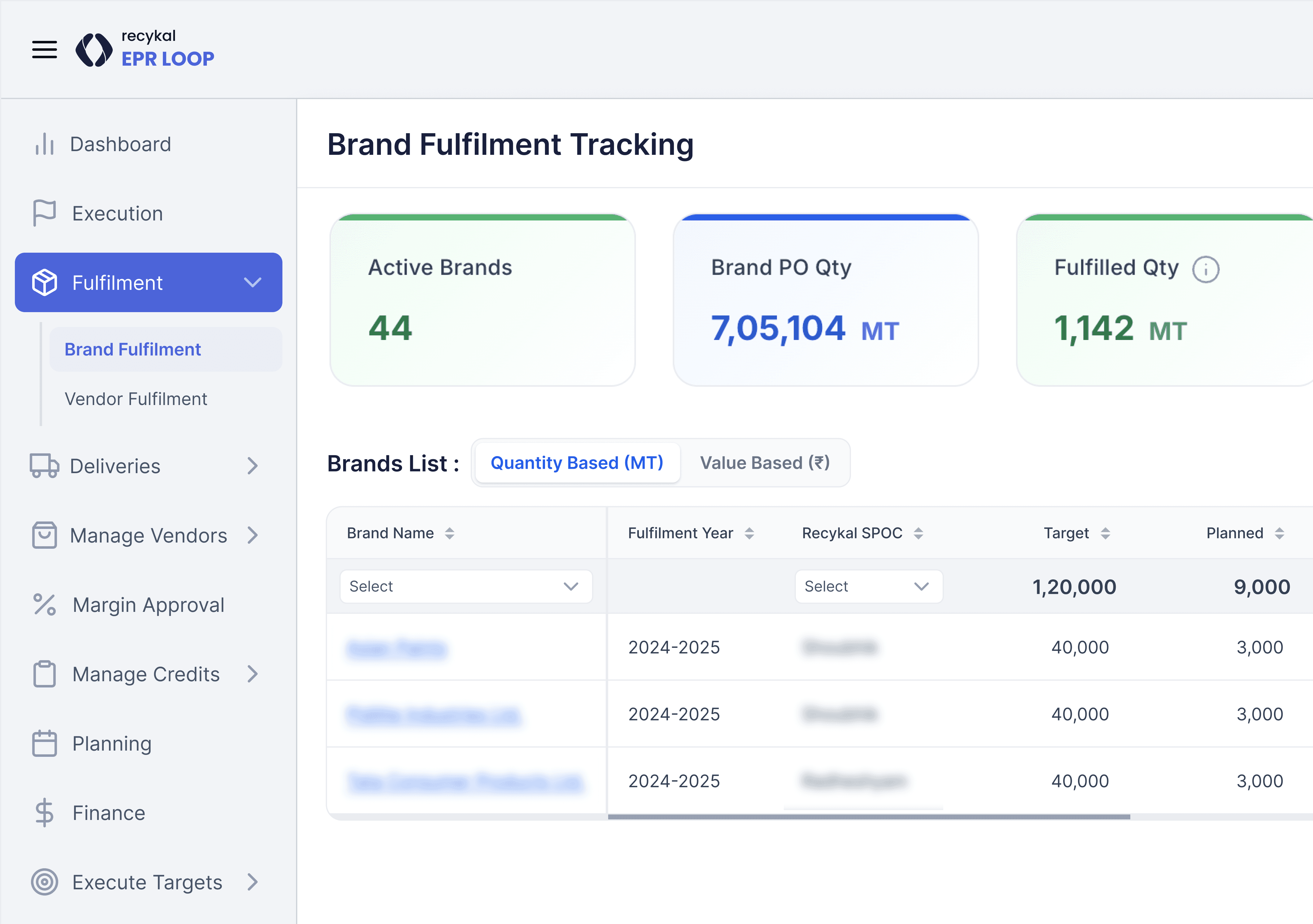
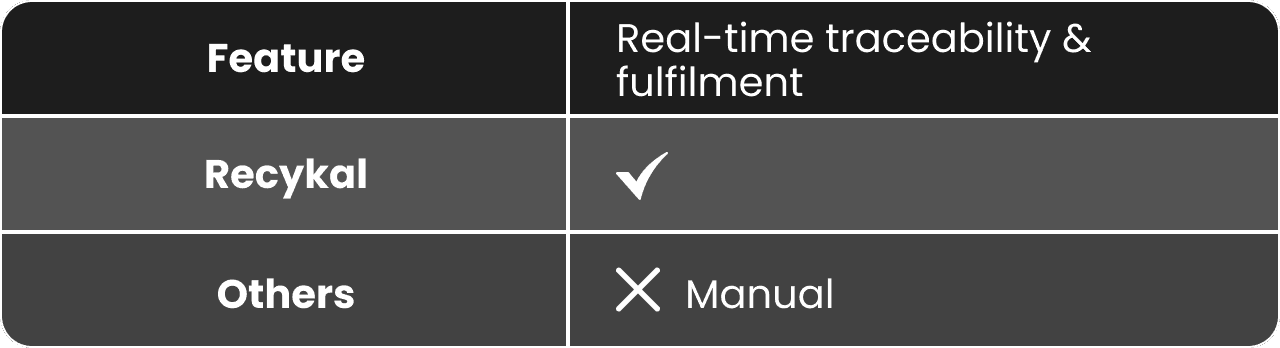
Stay ahead of deadlines with real-time tracking and monitoring of your EPR activities


03
Get Audit-Ready Documentation
Digital trail from start to finish, including vendor due diligence, and proof of fulfilment.


Battery Categories Covered


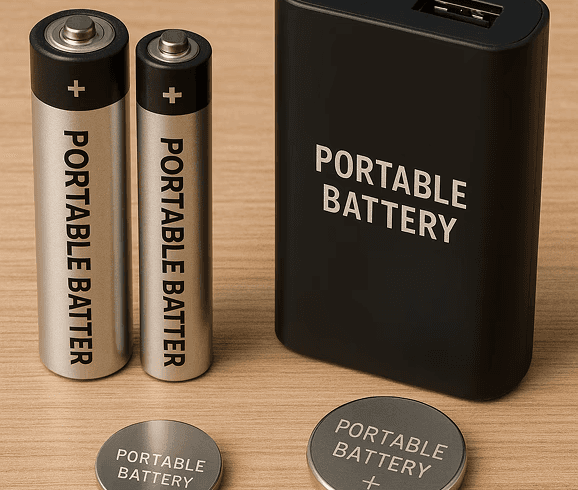
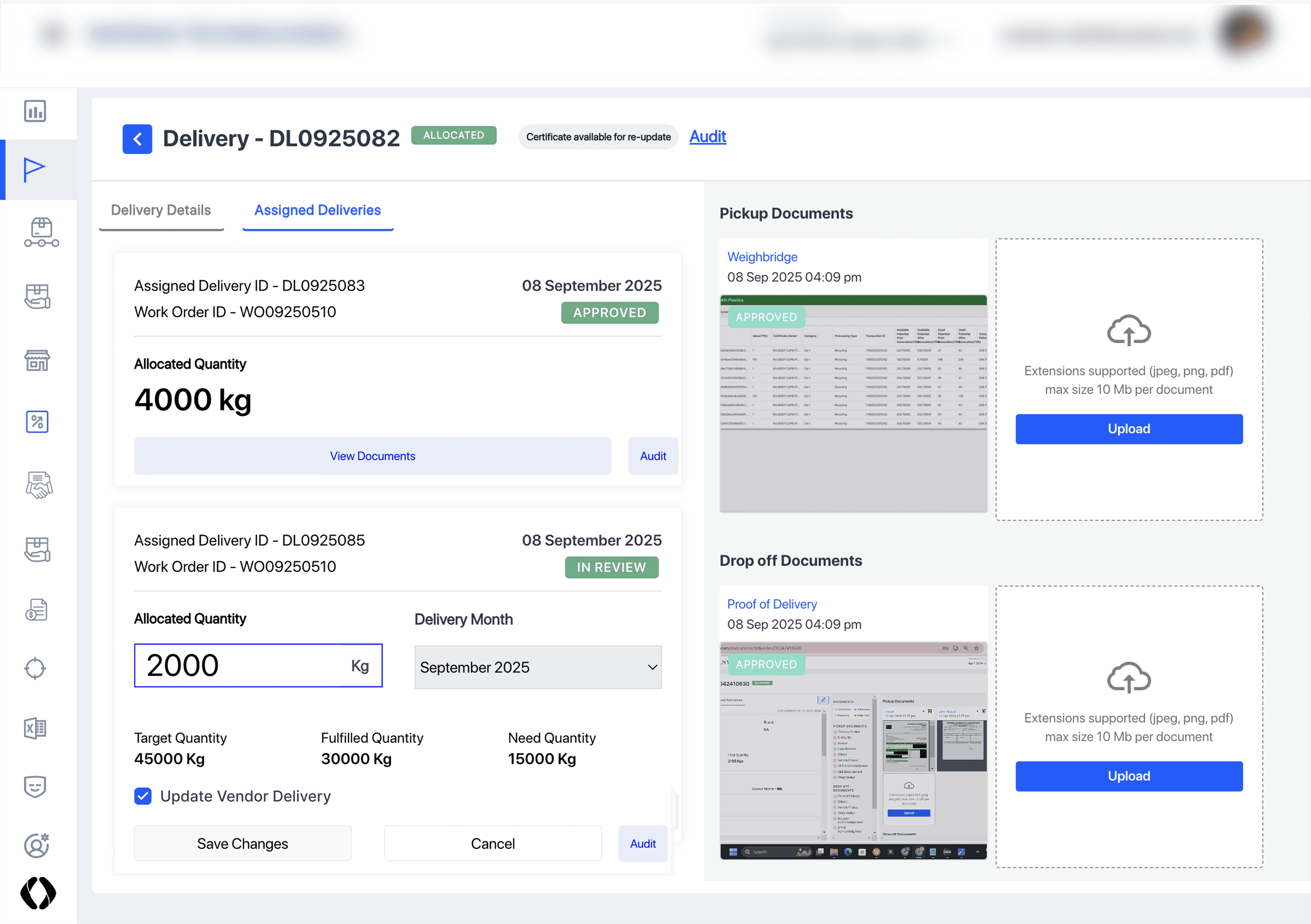
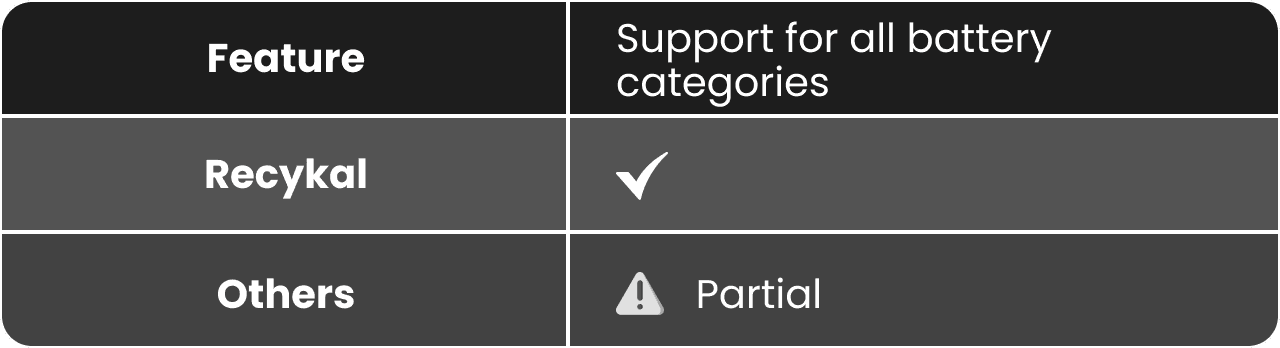
Portable Batteries (AA, AAA, mobile batteries, etc.)
Category I


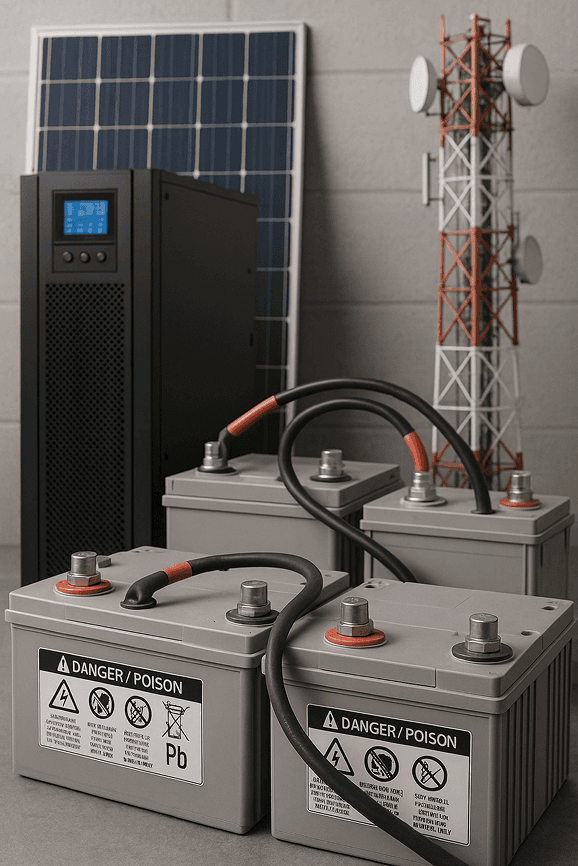
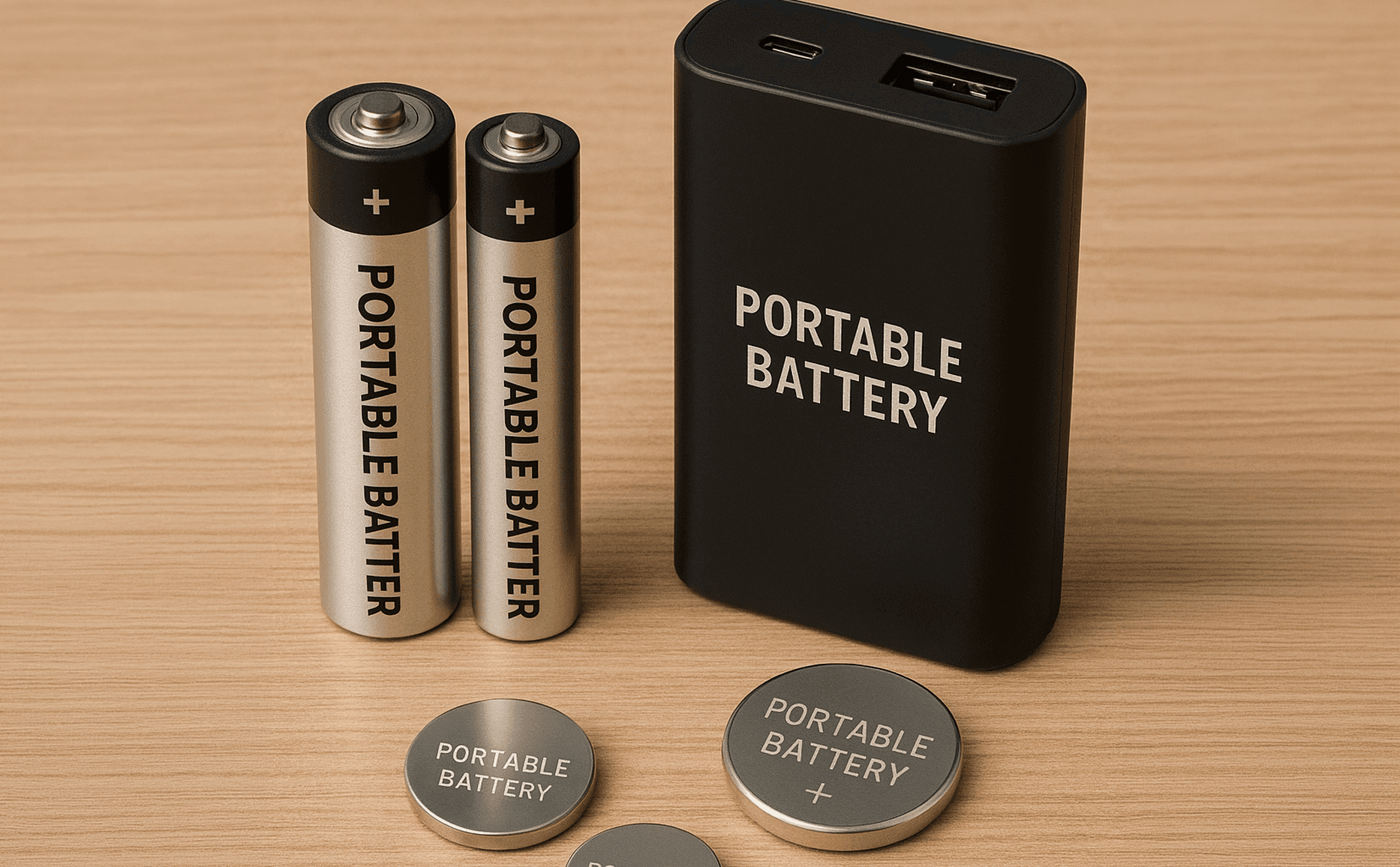
Industrial Batteries (UPS, solar batteries, telecom towers, etc.)
Category II


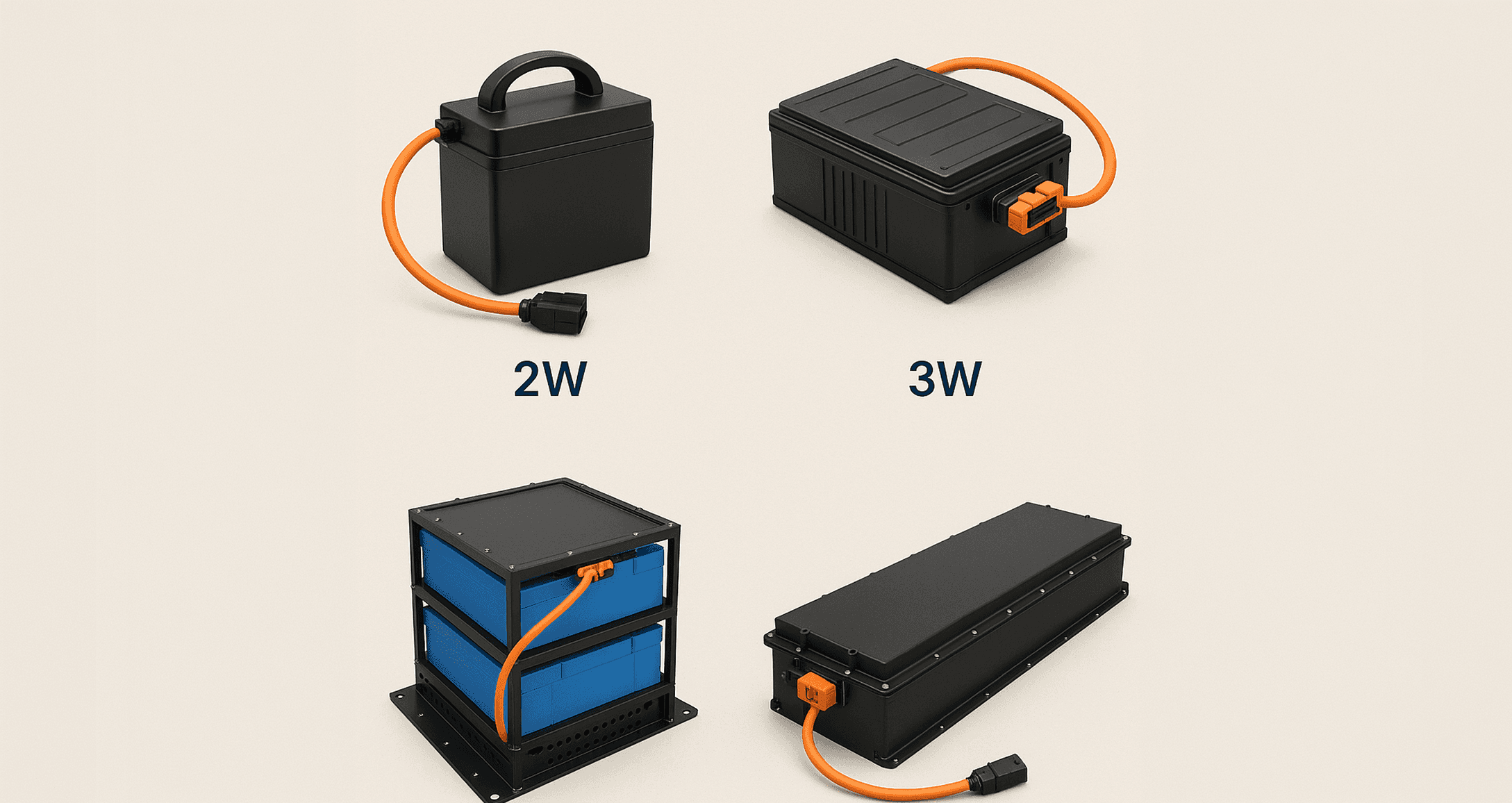
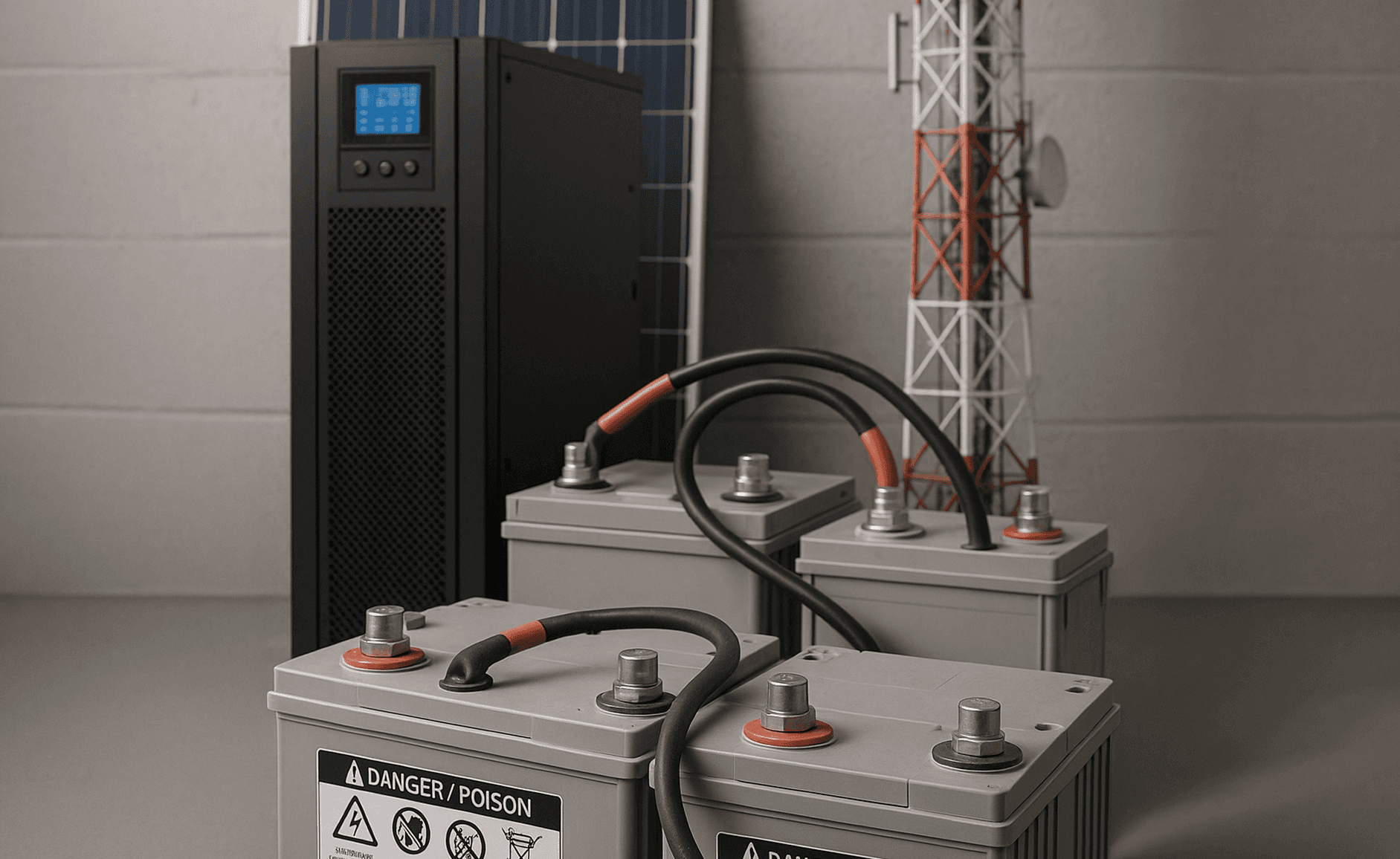
EV Batteries (Li-ion packs in 2W, 3W, 4W, buses)
Category III


Automotive Batteries
and more
Category IV
How Recykal Simplifies EPR
01
Discover and Manage Vendors
We start by getting to know your business, target, and competitive landscape.

02
Plan & Monitor Your EPR Fulfilment Online
Stay ahead of deadlines with real-time tracking and monitoring of your EPR activities

03
Get Audit-Ready Documentation
Digital trail from start to finish, including certificate verification, and vendor due diligence.

The reality today
Battery EPR is now a multi-category, multi-channel responsibility that has to be managed with full traceability.
Your team is or could likely end up juggling CPCB registration, collection targets, authorised recyclers, and document trails… all while the CPCB watches closely.
It only takes one fake credit, one missed submission, or one non-authorised partner…
…to land you in a compliance crisis.
How Recykal Simplifies EPR
01
Discover and Manage Vendors
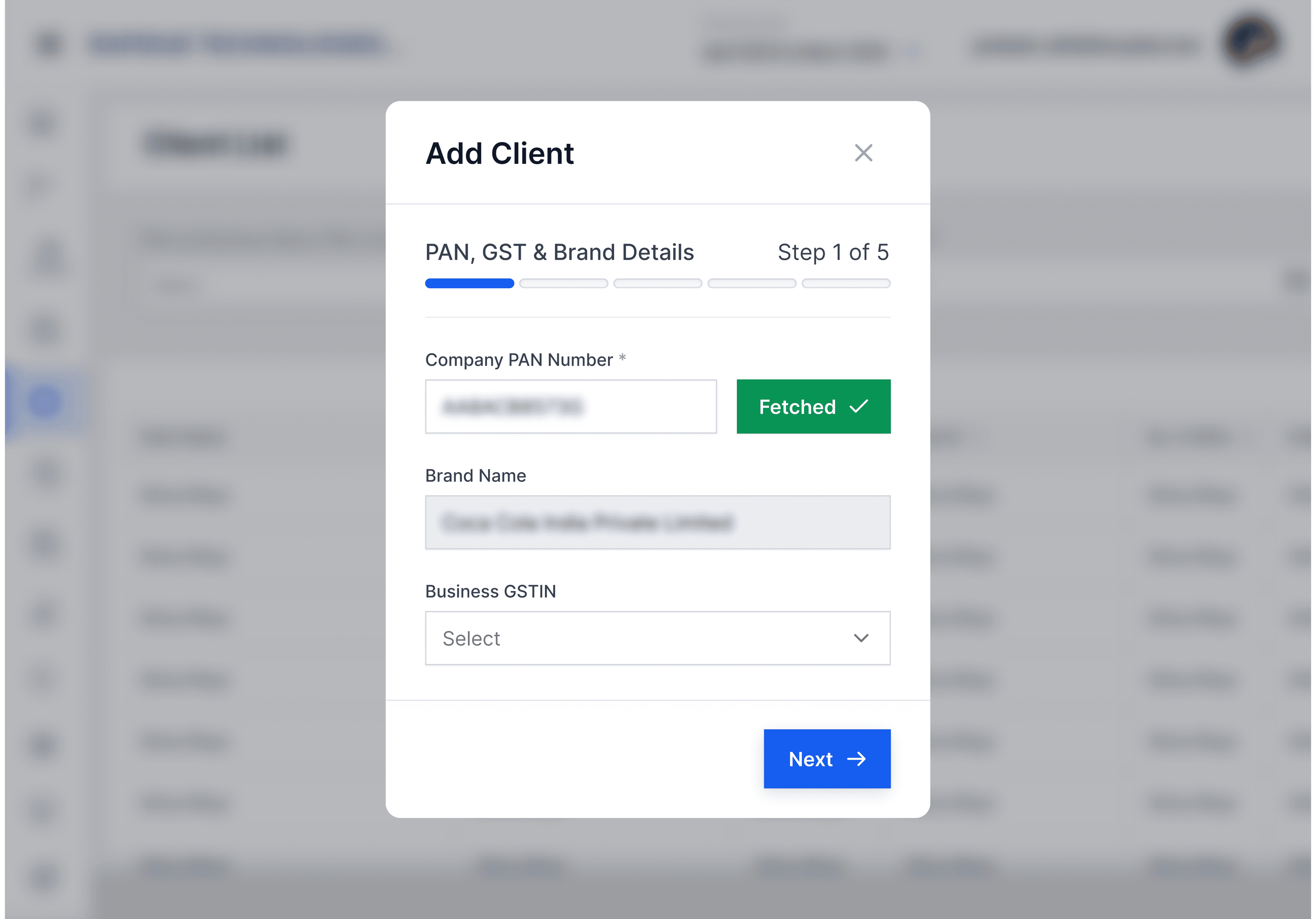
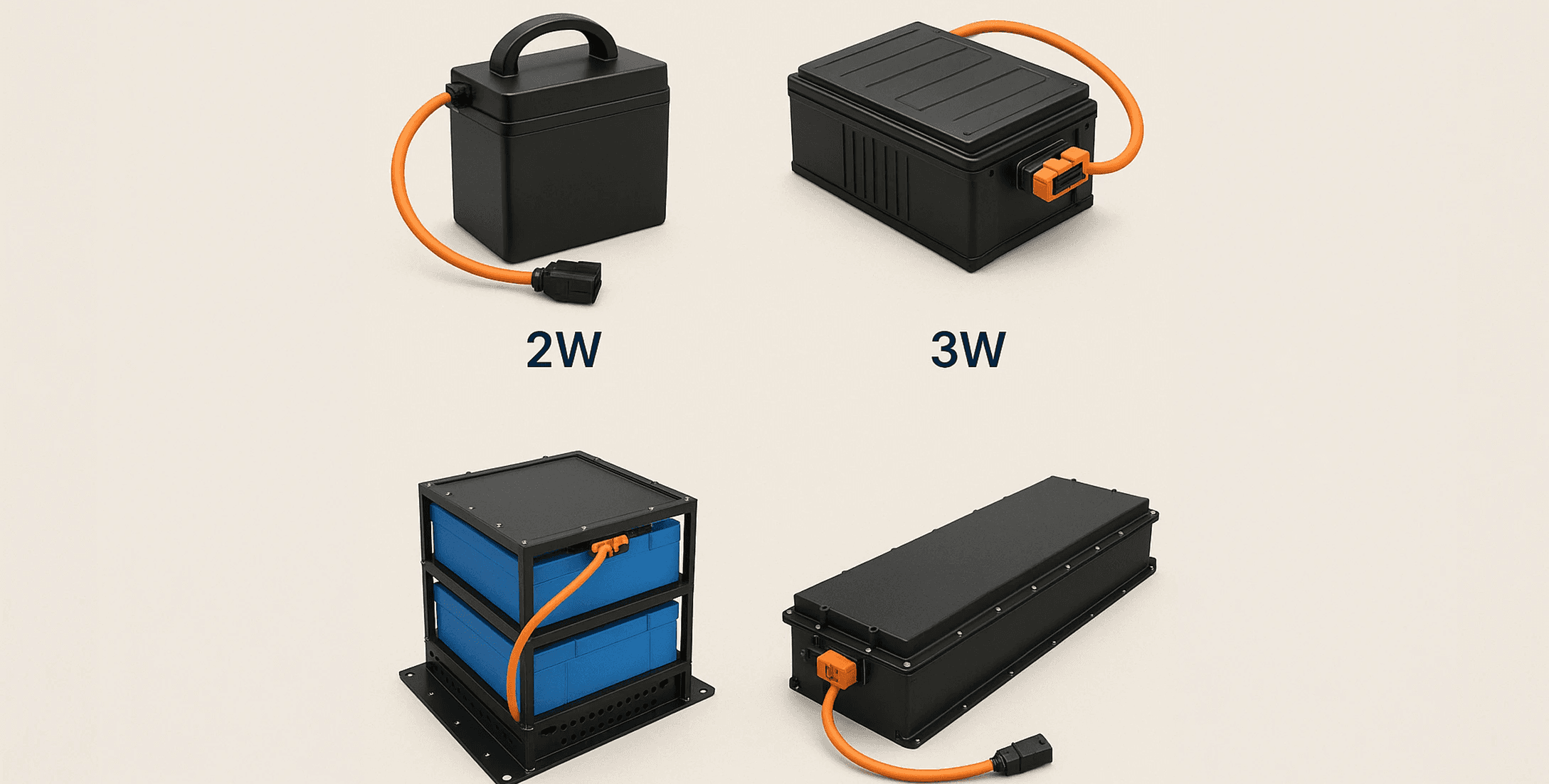
We onboard and verify every waste processor and recycler to ensure CPCB compliance, so you can work with trusted partners and focus on action.

02
Plan & Monitor Your EPR Fulfilment Online
Stay ahead of deadlines with real-time tracking and monitoring of your EPR activities

03
Get Audit-Ready Documentation
Digital trail from start to finish, including certificate verification, vendor due diligence, and proof of fulfilment.

01
Discover and Manage Vendors
We onboard and verify every waste processor and recycler to ensure CPCB compliance, so you can work with trusted partners and focus on action.

02
Plan & Monitor Your EPR Fulfilment Online
Stay ahead of deadlines with real-time tracking and monitoring of your EPR activities

03
Get Audit-Ready Documentation
Digital trail from start to finish, including certificate verification, vendor due diligence, and proof of fulfilment.

Battery Categories Covered

Portable Batteries (AA, AAA, mobile batteries, etc.)
Category I

Industrial Batteries (UPS, solar batteries, telecom towers, etc.)
Category II

EV Batteries (Li-ion packs in 2W, 3W, 4W, buses)
Category III

Automotive Batteries
and more
Category IV
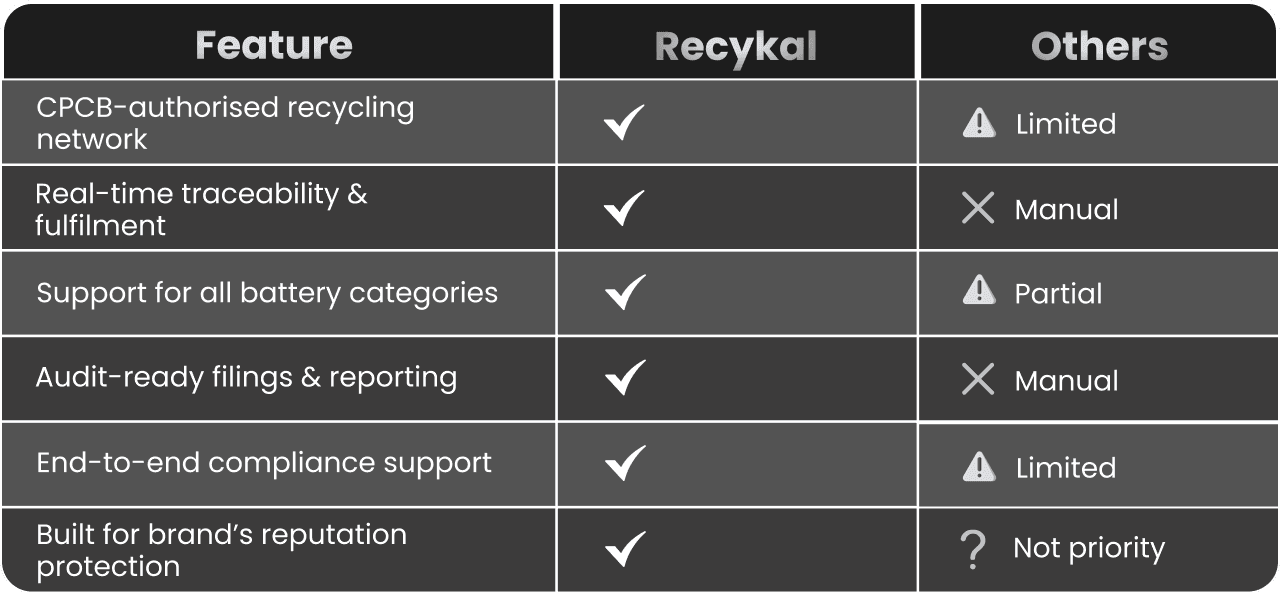
Why Battery Brands Choose Recykal


Let’s take Battery EPR off your stress list
Whether you’re in EHS, Legal, Sustainability, Procurement or Compliance, we get how complex
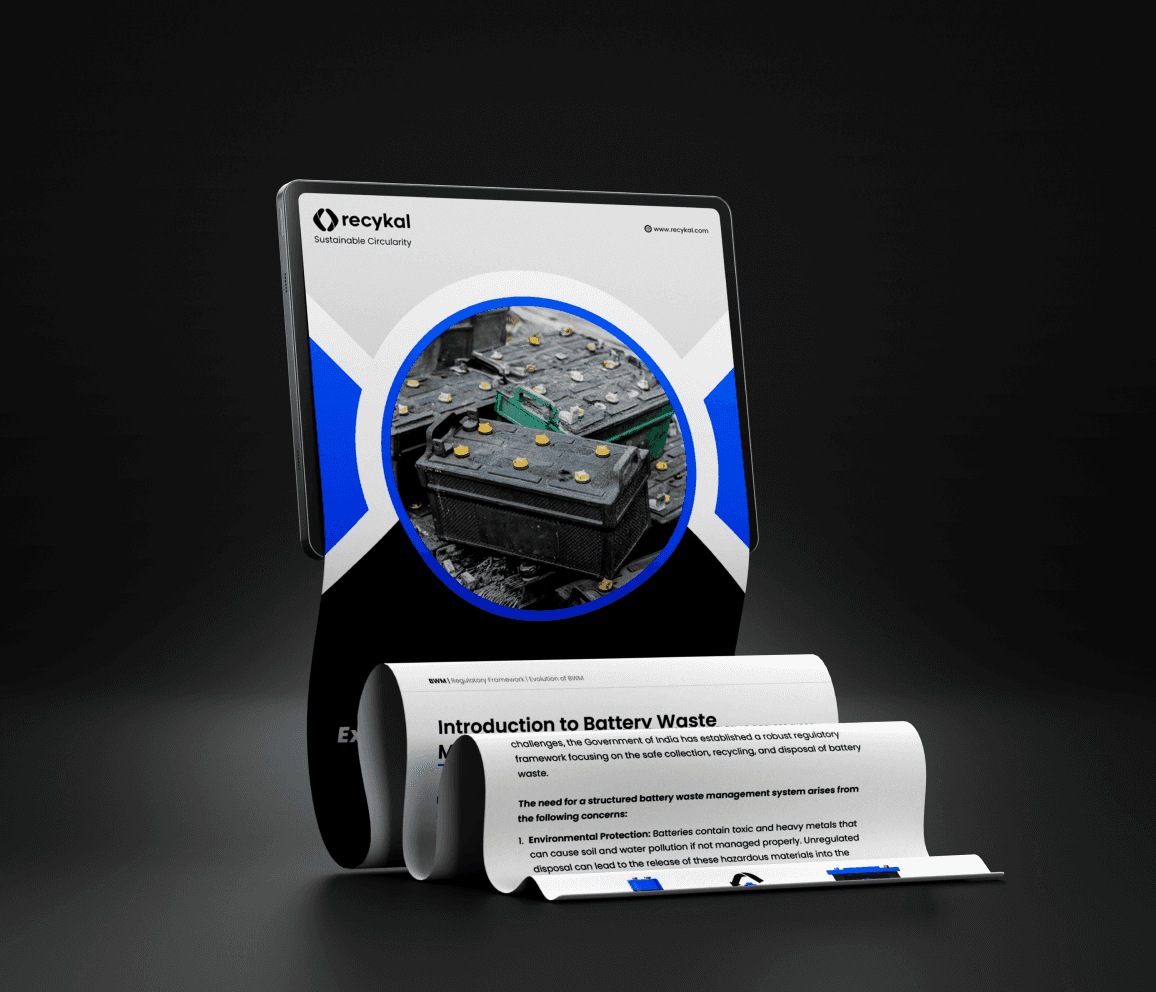
EPR can become.Download our EPR Battery E-book, a simplified guide to the latest CPCB rules, timelines, and best practices for your team.
Whether you’re in EHS, Legal, Sustainability, Procurement or Compliance, we get how complex EPR can become.Download our EPR Battery E-book, a simplified guide to the latest CPCB rules, timelines, and best practices for your team.


Frequently Asked
Questions
Frequently Asked
Questions
Frequently Asked
Questions
Get quick answers to your most pressing questions
Get quick answers to your most
pressing questions
What categories of batteries are covered under Battery EPR?
CPCB has defined four battery categories: - Portable Batteries - Electric Vehicle (EV) Batteries - Automotive Batteries - Industrial Batteries Each has separate collection targets and reporting requirements where Recykal can help.
What documents are required for CPCB EPR registration?
To register as a producer or importer, you need: - Business registration (CIN, GST, PAN) - Authorised signatory KYC - Sales and import data - Details of battery chemistry and categories - Proof of collection and recycling tie-ups .
What are the Battery EPR collection targets?
Collection targets are progressively increasing: - 70% of batteries sold in FY 2022–23 must be collected by 2025 - From FY 2024–25 onwards, producers must collect 90% of the batteries sold two years prior .
What happens if EPR targets are not met?
Non-compliance leads to: - Environmental Compensation (EC) charges - Public disclosure of violations - Obligation carry forward with interest Paying EC doesn’t exempt you from future target fulfilment .
How does the credit or fulfilment process work?
Credits are generated only by CPCB-registered recyclers and are visible on the CPCB portal. Producers can claim fulfilment only when these credits are transferred to their CPCB account. Recyclers must upload all necessary documentation to validate recycling .
Are different battery chemistries treated differently?
Yes. CPCB guidelines classify batteries by chemistry and use-case, and this impacts: - Labeling - Safety handling - Target obligations - Disposal methods The most common types include Lithium-ion, Lead-acid, Nickel-Cadmium, and Zinc-carbon .
Is reverse logistics covered under EPR Battery compliance?
Yes. Producers must establish a reverse collection mechanism via collection centres, take-back systems, or authorised third parties. This must be declared and approved as part of the EPR plan submitted to CPCB .
Who needs to comply with Battery EPR rules?
The following entities must register and comply: - Battery manufacturers - Importers (including vehicle importers) - OEMs that use batteries in their products - Online sellers of battery-powered equipment - Refurbishers and recyclers (for registration/reporting) .
Can Recykal help with quarterly filings and audits?
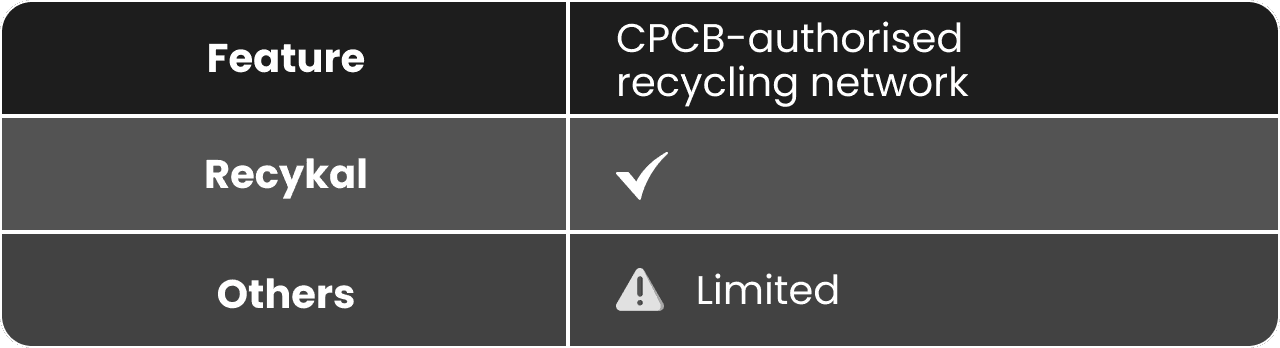
Yes. Recykal only partners with CPCB-authorised recyclers. All credits are validated, audit-traceable, and registered on the official portal.
How long does onboarding take?
Onboarding with Recykal takes 3–5 working days, depending on document readiness and internal approvals. Our compliance team ensures registration, recycler mapping, and dashboard training is completed seamlessly .
What categories of batteries are covered under Battery EPR?
CPCB has defined four battery categories: - Portable Batteries - Electric Vehicle (EV) Batteries - Automotive Batteries - Industrial Batteries Each has separate collection targets and reporting requirements where Recykal can help.
What documents are required for CPCB EPR registration?
To register as a producer or importer, you need: - Business registration (CIN, GST, PAN) - Authorised signatory KYC - Sales and import data - Details of battery chemistry and categories - Proof of collection and recycling tie-ups .
What are the Battery EPR collection targets?
Collection targets are progressively increasing: - 70% of batteries sold in FY 2022–23 must be collected by 2025 - From FY 2024–25 onwards, producers must collect 90% of the batteries sold two years prior .
What happens if EPR targets are not met?
Non-compliance leads to: - Environmental Compensation (EC) charges - Public disclosure of violations - Obligation carry forward with interest Paying EC doesn’t exempt you from future target fulfilment .
How does the credit or fulfilment process work?
Credits are generated only by CPCB-registered recyclers and are visible on the CPCB portal. Producers can claim fulfilment only when these credits are transferred to their CPCB account. Recyclers must upload all necessary documentation to validate recycling .
Are different battery chemistries treated differently?
Yes. CPCB guidelines classify batteries by chemistry and use-case, and this impacts: - Labeling - Safety handling - Target obligations - Disposal methods The most common types include Lithium-ion, Lead-acid, Nickel-Cadmium, and Zinc-carbon .
Is reverse logistics covered under EPR Battery compliance?
Yes. Producers must establish a reverse collection mechanism via collection centres, take-back systems, or authorised third parties. This must be declared and approved as part of the EPR plan submitted to CPCB .
Who needs to comply with Battery EPR rules?
The following entities must register and comply: - Battery manufacturers - Importers (including vehicle importers) - OEMs that use batteries in their products - Online sellers of battery-powered equipment - Refurbishers and recyclers (for registration/reporting) .
Can Recykal help with quarterly filings and audits?
Yes. Recykal only partners with CPCB-authorised recyclers. All credits are validated, audit-traceable, and registered on the official portal.
How long does onboarding take?
Onboarding with Recykal takes 3–5 working days, depending on document readiness and internal approvals. Our compliance team ensures registration, recycler mapping, and dashboard training is completed seamlessly .
What categories of batteries are covered under Battery EPR?
CPCB has defined four battery categories: - Portable Batteries - Electric Vehicle (EV) Batteries - Automotive Batteries - Industrial Batteries Each has separate collection targets and reporting requirements where Recykal can help.
What documents are required for CPCB EPR registration?
To register as a producer or importer, you need: - Business registration (CIN, GST, PAN) - Authorised signatory KYC - Sales and import data - Details of battery chemistry and categories - Proof of collection and recycling tie-ups .
What are the Battery EPR collection targets?
Collection targets are progressively increasing: - 70% of batteries sold in FY 2022–23 must be collected by 2025 - From FY 2024–25 onwards, producers must collect 90% of the batteries sold two years prior .
What happens if EPR targets are not met?
Non-compliance leads to: - Environmental Compensation (EC) charges - Public disclosure of violations - Obligation carry forward with interest Paying EC doesn’t exempt you from future target fulfilment .
How does the credit or fulfilment process work?
Credits are generated only by CPCB-registered recyclers and are visible on the CPCB portal. Producers can claim fulfilment only when these credits are transferred to their CPCB account. Recyclers must upload all necessary documentation to validate recycling .
Are different battery chemistries treated differently?
Yes. CPCB guidelines classify batteries by chemistry and use-case, and this impacts: - Labeling - Safety handling - Target obligations - Disposal methods The most common types include Lithium-ion, Lead-acid, Nickel-Cadmium, and Zinc-carbon .
Is reverse logistics covered under EPR Battery compliance?
Yes. Producers must establish a reverse collection mechanism via collection centres, take-back systems, or authorised third parties. This must be declared and approved as part of the EPR plan submitted to CPCB .
Who needs to comply with Battery EPR rules?
The following entities must register and comply: - Battery manufacturers - Importers (including vehicle importers) - OEMs that use batteries in their products - Online sellers of battery-powered equipment - Refurbishers and recyclers (for registration/reporting) .
Can Recykal help with quarterly filings and audits?
Yes. Recykal only partners with CPCB-authorised recyclers. All credits are validated, audit-traceable, and registered on the official portal.
How long does onboarding take?
Onboarding with Recykal takes 3–5 working days, depending on document readiness and internal approvals. Our compliance team ensures registration, recycler mapping, and dashboard training is completed seamlessly .


