Environmental Impact of Landfills and Waste Diversion in 2025
Sep 30, 2025
Discover the harm that landfills do to the ecosystem and how important it is to divert garbage in order to lessen these consequences.
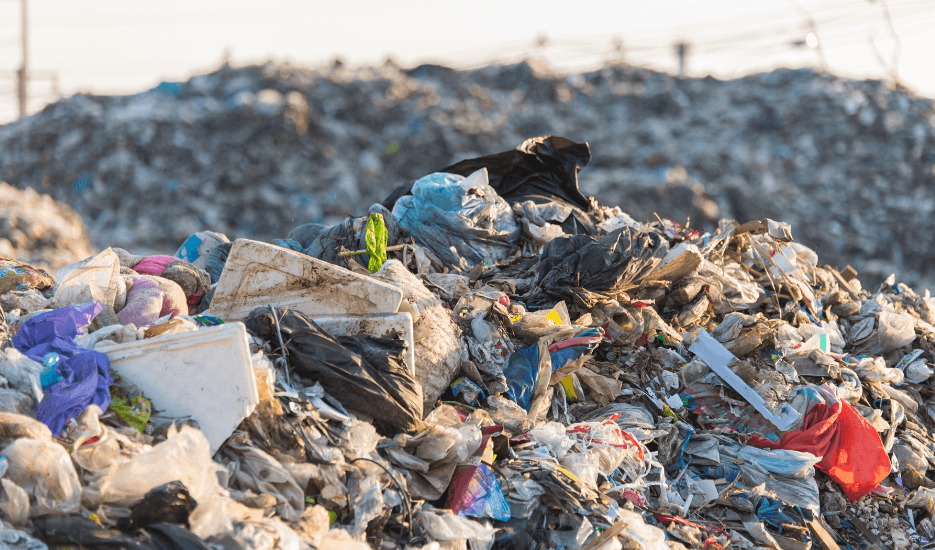
Landfills are large, allocated areas for the disposal of waste where it gets buried deep under the soil layers. As much as they are necessary to manage the vast quantities of waste produced, they also become major contributors to environmental issues. As a result, it is crucial to divert the waste and reduce our dependence on landfills.
Currently, we are disposing of 2.12 billion tonnes of waste annually. With the increasing population and rapid urbanisation, this figure is only expected to rise further, which means we will need more and more landfills in the years to come.
This blog will discuss how landfills impact the environment and the necessary actions for waste diversion.
The Environmental Impact of Landfills
The key impacts of landfills on the environment are as follows:
Greenhouse Gas Emissions
Methane Production: According to studies, methane and carbon dioxide are the main gaseous constituents of landfills, making up approximately 90-98% of the total gas produced. Anaerobic decomposition of waste materials, scraps, and food leftovers is the primary cause of objectionable odours and methane gas.
Modern landfills are equipped with Gas Collection Systems that significantly reduce the negative impacts of methane on climate change.
Climate Change: Methane has a global warming potential that is 28 times greater than carbon dioxide and is the biggest contributing factor to climate change.
Various strategies to reduce greenhouse emissions and relieve their impacts have been implemented. For example, The Paris Agreement was signed to encourage nations to adopt practices that mitigate greenhouse gas emissions.
Leachate Formation
Leachate is a liquid that forms when rainwater or other liquids percolate through landfill waste and is an environmental issue predominantly associated with waste.
Contamination of Groundwater: Many landfills use liners composed of clay or other synthetic materials that can deteriorate over time, allowing leachate to escape and potentially contaminate groundwater. Inadequate leachate collection and ineffective waste management cause leachate to seep and enter the groundwater reserves.
Phytoremediation is an innovative project that utilises plants to help clean up contaminated groundwater around landfills.
Land Use and Ecosystem Disruption
Land Consumption: While landfills occupy vast areas, they have an equally detrimental effect on neighbouring lands. According to studies, land values decrease by 13.7% near large landfills and 2.7% near smaller ones.
Habitat Destruction: Besides being a breeding ground for rodents, landfills are responsible for destroying surrounding flora and fauna, and 85% of local species become endangered due to loss of habitat.
The West Lake Landfill in the USA is infamous for its radioactive waste that has affected local plant lives and the aquatic ecosystem in the area.
While waste generation cannot be stopped, the impacts of landfills on the environment can be mitigated by waste diversion.
Waste Diversion
A cornerstone of any sustainability effort is improving landfill diversion practices. As the term suggests, Waste Diversion refers to shifting waste to other and better forms through efficient waste management practices.
Waste Diversion Strategies
Recycling: Statistics indicate that the recycling rate has grown from below 7% in 1960 to 32% today, highlighting how efforts are being made to be more sustainable. Instead of dumping waste products into landfills, focusing on reusing them can greatly reduce the amount of waste generated.
Several clothing brands have adopted The Circular Textile Program, where customers can return their old garments and have them recycled into new fabrics or products.
Composting: Food scraps and yard trimmings are broken down by microorganisms to produce nutrient-rich composting, thereby diverting the waste from landfills.
Reduction and Reuse: Using durable instead of disposable products, donating or selling pre-loved items, and mindful consumption ensure you are not adding to the pile of waste.
E-Waste Management: E-waste is not only hard to recycle but also contains higher levels of toxicity. Repair and Refurbishment Programs, Electronic Waste Upcycling, Take Back Programs, and Battery Recycling Programs are a few ways to handle e-waste generation.
How Individuals Can Contribute to Waste Diversion
Waste Diversion at Home
Recycling Properly: Discard your waste without using plastic bags and in proper bins; flatten cardboard boxes and crush the plastic bottles before throwing them.
Effective Waste Segregation: Classifying waste into wet and dry waste can tremendously help recycling efforts. Dry waste comprises plastic and other waste that donÔÇÖt decompose, and wet waste consists of biodegradable waste which can be converted into manure for plants.
Compost: Gather your food waste and try balancing the green and brown materials. Shredding the materials speeds up the process of decomposition. A compost bin helps monitor moisture and prevent pests.
Reducing Waste:
Reuse: Opt for reusable alternatives instead of single-use items like cloth bags and bamboo straws.
Repurpose and Repair: Instead of replacing goods, try repairing or repurposing them.
Bulk Buy: Minimise packaging waste by purchasing your items in bulk and carrying your own bags.
Waste Diversion in the Community
Supporting local recycling programs: Talk to your neighbours, find out about community programs, and join community clean-up events to help remove litter from public spaces.
Advocating for policy changes: Develop a clear message and partner with like-minded individuals to advocate for your cause.
Benefits of Waste Diversion
The key benefits of the waste diversion are as follows:
Environmental Benefits: According to research, recycling one tonne of paper can save 17 trees and reduce water usage in manufacturing by 50%. This highlights how simple acts of reducing waste help decrease the volume reaching landfills.
Economic Benefits: Studies show that as companies work to increase waste diversion and achieve zero waste, recycling, composting, and reuse industries can create up to 30 times more jobs than landfills and incinerators.
Social Benefits: Engaging with the community and participating in programs builds your circle and inspires people around you.
In Conclusion
It is evident how landfills pose a significant threat to habitats of several species and are one of the major causes of global warming and degradation of the environment.
Minimising our ecological footprint does not require drastic changes. Small, collective steps can effectively reduce our dependence on landfills and the need for additional landfill space. Encouraging Waste Diversion will not just prevent damage to our planet but will also make us conscious of our consumption behaviours and their environmental impact.
Let's unite efforts to reduce our landfill footprint and divert waste towards creating value for our planet.